
TL;DR:
- Participating in biker rallies enhances mental health, social bonds, and community ties through structured events and shared experiences. These gatherings foster lasting friendships, support local economies, and provide opportunities for charity work and professional networking. Safety awareness and active engagement are crucial for maximizing benefits and ensuring responsible participation.
Biker rally participation benefits are defined as the measurable improvements to mental health, social connection, community cohesion, and personal purpose that riders gain from attending organized motorcycle events. The research is clear: 88% of motorcyclists report that riding improves their mental health, and structured rally environments amplify that effect far beyond solo riding. Events like the Sturgis Motorcycle Rally, the Bike and Brew passport program, and charity rides like Ride 4 Their Lives show that the advantages of attending biker rallies extend well past the open road. This guide breaks down exactly what you gain when you show up, sign in, and ride with your community.
1. Biker rally participation benefits start with mental health
The psychological case for rally attendance is the strongest argument in the room. The 2026 Carole Nash survey found that motorcyclists who ride regularly report feeling calmer, less anxious, and better able to switch off from daily stress. That effect intensifies at rallies, where the social environment adds a layer of peer support that solo rides simply cannot replicate.
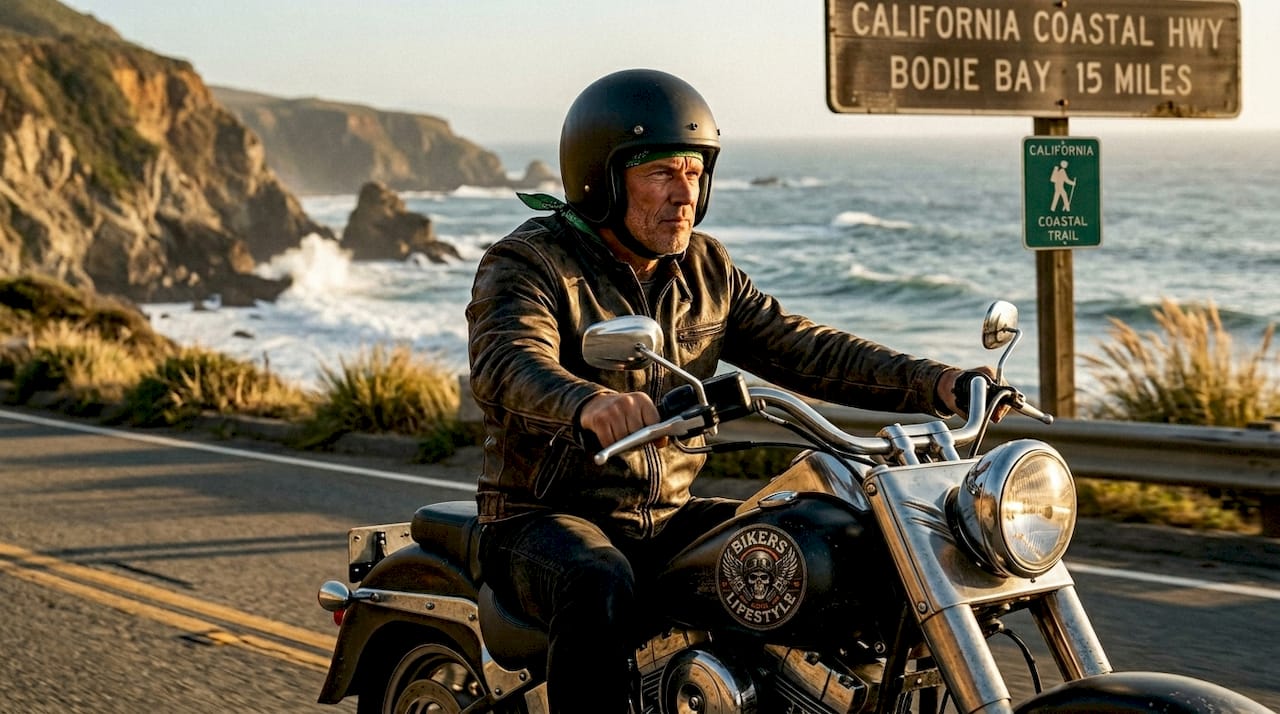
The mechanism is straightforward. Riding demands full attention, which forces the brain out of rumination loops. Add a crowd of like-minded riders, shared meals, and organized group rides, and you have a formula that mental health professionals recognize as effective: purposeful movement combined with social belonging. The Bike and Brew passport program, which links 10,000 riders and 300 cafes across the UK, was built on exactly this principle. Participants report that the program quiets anxiety and loneliness by pushing them toward new roads and new faces in a low-pressure format.
Community among riders is the key factor enhancing mental health, not just the act of riding itself. A rider who attends a rally leaves with a different neurological experience than one who completes the same miles alone. The shared debrief at the end of a group ride, the campfire conversation, the vendor hall where someone explains a mod you have been thinking about for months. These micro-interactions accumulate into genuine stress relief.
Pro Tip: Combine a purposeful destination ride with a rally that includes a structured social program, such as a charity ride or a swap meet, to maximize both the riding and the community benefits in a single weekend.
- Riding produces a calming effect by requiring sustained focus
- Social interaction at rallies reduces feelings of isolation
- Programs like Bike and Brew create structured, low-pressure entry points for riders who find large crowds overwhelming
- Repeated positive social experiences at rallies build long-term resilience against anxiety
2. Social connections formed at rallies last far longer than the event
The friendships built at motorcycle rallies are not casual acquaintances. They are bonds forged through shared risk, shared road, and shared identity. Motorcycle group dynamics research confirms that riders who participate in group events report significantly stronger feelings of belonging than those who ride exclusively solo. The rally format accelerates this process because it compresses dozens of social interactions into a single weekend.
The Bike and Brew passport program offers one of the clearest examples of designed social connection in the motorcycle world. Riders collect stamps at participating cafes, which gives them a concrete reason to walk through a door, start a conversation, and return. The program raised close to £100,000 for mental health charities while simultaneously helping riders reduce anxiety and loneliness. The genius of the format is that it removes the awkwardness of cold social interaction by giving every participant a shared mission.
Real riders describe the experience in direct terms:
"I showed up to my first rally not knowing a single person. By Sunday afternoon, I had three new riding partners and a standing invitation to a monthly group ride two states over. That doesn't happen anywhere else."
The Red River Motorcycle Rally in New Mexico demonstrates social resilience at a community scale. After a 2023 shooting incident caused visitation to drop 24.5%, organizers rebuilt trust through veteran-focused programming and family-friendly events. By 2026, crowds and optimism had returned. That recovery happened because the social bonds formed at rallies are strong enough to survive disruption and pull people back.
- Group rides create natural conversation starters and shared reference points
- Online communities formed at rallies extend the social benefit year-round
- Structured programs remove the pressure of initiating social contact from scratch
- Veteran and family-focused programming broadens the social network beyond core rider demographics
3. Community and economic impacts on host locations
The benefits of motorcycle events reach well beyond the riders themselves. The Sturgis Motorcycle Rally attracts 500,000 riders annually and generates a $784 million economic impact on South Dakota. That figure represents hotel rooms, fuel stops, restaurant meals, gear purchases, and vendor fees that flow directly into local businesses and tax revenues. For small towns that host rallies, a single weekend event can represent a meaningful share of annual commerce.
The personal and community benefits operate on separate tracks, and both matter. A rider gains mental health improvement and social connection. The host town gains economic activity and civic pride. Local vendors gain customers who return year after year because the rally relationship is sticky. A rider who buys a custom part from a vendor at Sturgis in 2025 is likely to seek that vendor out again in 2026, either at the rally or online.
The Red River story adds a dimension that pure economics cannot capture. When a community rebuilds a rally after a traumatic event, it signals that the social contract between riders and host towns is durable. Rallies rebuild trust through repeated positive face-to-face experiences, which is a function no amount of marketing spending can replicate. The Revive the Ride program in Red River is a direct example of a community using rally culture as a recovery mechanism.
| Rally | Annual Attendance | Economic Impact | Key Community Benefit |
|---|---|---|---|
| Sturgis Motorcycle Rally | 500,000 riders | $784 million | Local business revenue, South Dakota tourism |
| Red River Motorcycle Rally | Recovering post-2023 | Regional commerce | Social trust rebuilding, veteran focus |
| Bike and Brew (UK) | 10,000+ riders | Charity fundraising | Mental health support, cafe community |
Veterans benefit from rally culture in ways that go beyond economics. Many rallies include veteran-specific programming, discounted entry, and organized rides that connect former service members with a community that shares their values of discipline, brotherhood, and purpose. This is biker community engagement benefits operating at their most meaningful level.
4. Charity rides and purpose-driven events deepen the experience
Charity rides represent the highest-value version of rally participation for riders who want their miles to mean something. These events combine the mental health benefits of riding, the social benefits of group participation, and the psychological reward of contributing to a cause larger than yourself. The result is a participation experience that riders describe as more memorable and more motivating than standard rally attendance.
The Ride 4 Their Lives event is a concrete example of how purpose-driven riding works in practice. This police-escorted 60-mile charity ride benefits veterans and builds camaraderie in a structured, safe environment. The police escort removes traffic risk, the defined route removes navigation stress, and the shared cause removes any ambiguity about why everyone is there. Riders arrive as strangers and leave as people who did something meaningful together.
Pro Tip: If you are new to rally participation, a charity ride is the best entry point. The shared mission gives you an immediate conversation topic with every other rider, and the structured format means you spend zero energy figuring out logistics.
Here is why purpose-driven events consistently outperform standard rallies for first-time participants:
- The cause provides an instant social identity. You are not just a rider. You are a rider who supports veterans, or pediatric cancer research, or a local food bank.
- Organized routes and police escorts reduce the cognitive load of participation, letting you focus on the social experience.
- Charity events attract a broader demographic, including riders who would not attend a traditional rally, which expands your network.
- The post-ride debrief at a charity event tends to be more emotionally engaged than a standard vendor hall conversation.
- Contributing to a cause produces a documented psychological benefit called the "helper's high," which compounds the mental health gains from riding itself.
The Special Olympics Benefit Motorcycle Ride and the Hope Pushers Benefit Ride are two additional examples of how the motorcycle community channels rally energy into direct community support. Both events demonstrate that the why join a biker rally question has an answer that goes well beyond personal enjoyment.
5. Networking at motorcycle rallies builds professional and personal capital
Networking at motorcycle rallies is an underrated benefit that most riders do not consciously pursue but consistently experience. The informal setting of a rally removes the transactional pressure of professional networking events. Nobody is handing out business cards in a conference room. They are talking about carburetors, comparing tire choices, and sharing route recommendations. The professional connection, when it happens, feels like a byproduct of genuine conversation rather than a goal.
Vendors, mechanics, custom builders, and gear manufacturers attend rallies specifically to meet riders in a context where trust is already established. A conversation with a custom builder at Sturgis carries more weight than a cold email because you have already shared a physical space and a cultural identity. Riders who join riding clubs through rally connections report faster access to trusted mechanics, better gear recommendations, and more reliable riding partners than those who source these relationships online.
The professional dimension extends to event organizers, nonprofit directors, and small business owners who use rallies as a primary outreach channel. A vendor who sponsors a charity ride gains direct access to 500 riders who are already predisposed to trust them. A nonprofit that partners with a rally organizer gains a fundraising channel that costs far less than traditional marketing. These relationships form because rallies create repeated, face-to-face contact between people who share a strong cultural identity.
6. Safety awareness is part of responsible rally participation
Safety at large motorcycle events deserves direct attention, not a footnote. A 2026 South Carolina festival stampede injured 19 people in a mass casualty incident, demonstrating that crowd management failures at large events carry real consequences. This does not diminish the benefits of rally participation. It means that informed riders approach large events with a plan.
The MMA Motorcycle and Roadway Safety Expo exists precisely because the riding community takes safety seriously as a shared responsibility. Attending safety-focused events alongside traditional rallies builds the situational awareness that makes large gatherings safer for everyone. Riders who understand crowd dynamics, venue layouts, and emergency protocols are assets to the events they attend, not just beneficiaries.
Practical steps every rally attendee should take:
- Arrive early to familiarize yourself with venue layout, exits, and medical station locations
- Follow staff and security instructions without delay, especially during crowd surges
- Designate a meeting point with your group before the event starts, in case you get separated
- Keep your phone charged and share your location with someone not attending the event
- Know the difference between a controlled crowd movement and a panic situation, and move laterally rather than against the flow if a surge begins
The benefits of motorcycle events are real and well-documented. They are best enjoyed by riders who treat safety awareness as part of the preparation, not an afterthought.
Key takeaways
Biker rally participation delivers the strongest results when riders combine purposeful riding, structured social programs, and community-focused events rather than treating attendance as a passive experience.
| Point | Details |
|---|---|
| Mental health improvement | 88% of motorcyclists report riding benefits mental health; rallies amplify this through social contact. |
| Social connection | Programs like Bike and Brew and charity rides create structured, low-pressure friendship opportunities. |
| Community and economic impact | Sturgis generates $784 million annually; rallies rebuild social trust in host communities. |
| Charity ride value | Purpose-driven rides like Ride 4 Their Lives add psychological reward and expand your social network. |
| Safety preparation | Knowing venue layouts and crowd protocols protects you and makes events better for everyone. |
Why rallies changed how I think about riding
I spent my first three years on a bike as a committed solo rider. I told myself I preferred it that way. No waiting for stragglers, no group consensus on where to stop, no social obligations. Then a friend dragged me to a regional rally in the Southwest, and I spent a Saturday afternoon talking to a retired Army mechanic who had ridden every major rally in the continental US. He knew things about maintaining a vintage engine that I had never found in any forum. He also knew things about loneliness and purpose that I was not expecting to hear at a motorcycle event.
That conversation changed my framework. Solo riding is valuable. The focus, the solitude, the personal challenge. But it is a closed loop. You take in the road and you process it alone. Rally participation opens the loop. You bring your experience into contact with other people's experience, and something new gets created. The mental health data confirms what riders already know intuitively: the community component is not optional if you want the full benefit.
What I have observed over years of attending events is that the riders who get the most out of rallies are the ones who show up with intention. They volunteer for the charity ride. They introduce themselves to the vendor whose work they admire. They ask the organizer how they can help next year. Passive attendance produces a good weekend. Active participation produces relationships that change your riding life.
The safety point matters too, and I want to be direct about it. Large events carry real risks, and the 2026 South Carolina incident is a reminder that crowd management is not someone else's problem. Riders who prepare for safety are better participants, not more fearful ones. Knowing your exits and your meeting point is the same mindset as checking your tire pressure before a long ride. It is just good practice.
— Trevor
Find your next rally with Bikerslifestyle
Bikerslifestyle is the central hub for motorcycle enthusiasts who want to move from reading about rally benefits to actually experiencing them. The platform lists upcoming rallies and rides across the country, from large-scale events like Sturgis to local charity rides and scenic group routes. Whether you are looking for a veteran-focused ride like Ride 4 Their Lives or a skill-building event like the ADV Riding Clinic, Bikerslifestyle connects you to the right event for your goals. You can also browse the full events calendar to plan your season around the rallies that matter most to your community.
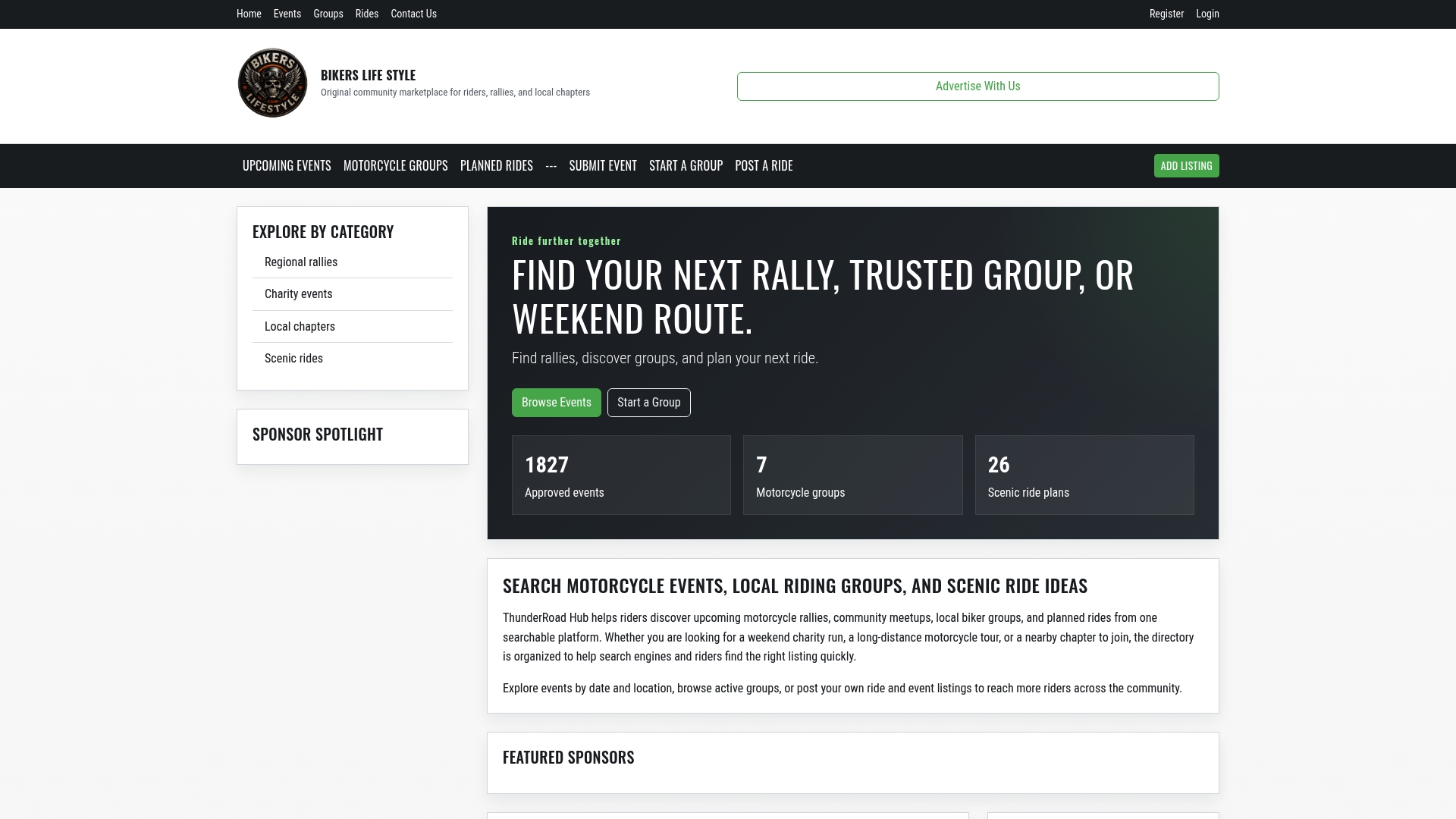
The Bikerslifestyle directory also lists swap meets, scenic spring rides, and local bike nights, giving you multiple entry points into the rally community regardless of your experience level. Start with one event. The connections you make there will lead you to the next one.
FAQ
What are the main biker rally participation benefits?
The primary benefits are mental health improvement, social connection, community impact, and charitable engagement. Research shows 88% of motorcyclists report improved mental health from riding, and rally attendance amplifies this through structured social interaction.
How do biker rallies help with mental health?
Riding demands full attention, which interrupts stress and anxiety cycles. At rallies, the added social environment reduces isolation and loneliness, which are key drivers of poor mental health. Programs like Bike and Brew are specifically designed to combine riding with peer support.
Are charity rides worth attending for first-time rally participants?
Charity rides are the best entry point for new participants. The shared cause creates an immediate social identity, the structured route reduces logistical stress, and the post-ride atmosphere is more emotionally engaged than a standard vendor hall.
How much economic impact do major rallies have on local communities?
The Sturgis Motorcycle Rally generates $784 million in annual economic impact on South Dakota, attracting 500,000 riders. Smaller regional rallies produce proportional benefits for their host towns through hospitality, fuel, and vendor spending.
What safety steps should I take before attending a large rally?
Arrive early to locate exits and medical stations, designate a meeting point with your group, keep your phone charged, and follow staff instructions immediately during any crowd movement. Preparation is the same discipline you apply to your bike before a long ride.