
TL;DR:
- Choosing the right motorcycle for California rallies depends on terrain, rider skill, and bike features like fuel range and suspension travel. Factory rally bikes excel in performance but require advanced skills, while dual-sports and adventure bikes offer a balanced mix of capability and accessibility. Proper ergonomic fit, maintenance accessibility, and realistic expectations are key to completing multi-day events successfully.
California throws a lot at rally riders. You've got the Mojave's baked hardpack, the Sierra Nevada's rocky single-track, and coastal fire roads that can turn technical in half a mile. When you're trying to choose a rally suitable motorcycle, the terrain variety alone makes the decision genuinely hard. Picking the wrong bike means either fighting your machine through terrain it wasn't built for, or showing up to a community rally on a 500-pound adventure tourer that handles like a couch. This guide cuts through the noise and helps you match the right bike to the right California rally scenario.
Table of Contents
- Key takeaways
- How to choose a rally suitable motorcycle: core features
- Types of motorcycles used in rallies
- Practical steps to get rally-ready in California
- Common mistakes when choosing a rally motorcycle
- Top 2026 models for California rally riders
- My take: capability versus comfort in California
- Find your next rally with Bikerslifestyle
- FAQ
Key takeaways
| Point | Details |
|---|---|
| Match bike to real terrain | Choose based on actual California rally conditions, not aspirational off-road fantasies. |
| Rally bikes vs. adventure bikes | Factory rally bikes prioritize suspension and agility; adventure bikes prioritize comfort and reliability. |
| Suspension travel matters, but not always | Most riders only need 150 to 180 mm travel unless they're running technical terrain at speed. |
| Ergonomic fit affects endurance | Seat height, rider position, and weight directly impact how long you can ride before fatigue sets in. |
| Community resources sharpen your choice | Local riding groups and events expose you to real-world feedback faster than any spec sheet. |
How to choose a rally suitable motorcycle: core features
When you're sizing up bikes for rally use, the spec sheet only tells part of the story. The real criteria come down to how a bike performs when you're 80 miles from a paved road and the terrain changes without warning.
Fuel range and tank capacity sit at the top of the list. California desert stages can put serious distance between you and the nearest gas station. A tank under 15 liters becomes a liability on multi-day events. Most purpose-built rally machines run tanks in the 18 to 23-liter range for exactly this reason.
Suspension quality and travel define how a bike handles punishment. High suspension travel improves impact absorption on rough terrain but also raises the seat height and adds weight, which can catch newer riders off guard. That trade-off is real, and it matters more than most buyers realize when they're standing in a showroom.
Ergonomics go beyond personal preference. A bike that puts you in an upright, forward-weighted stance gives you active control over the front wheel on loose surfaces. Rally-specific bikes generally have a narrower cockpit, higher bars, and a slimmer seat compared to touring-oriented adventure bikes, which shapes how fatigued you feel after a full day of varied terrain.
Here's a breakdown of the core rally bike features to evaluate before you buy:
- Suspension travel: Look for at least 200 mm if you plan on technical desert or gravel stages
- Tank capacity: 18 liters minimum for multi-day events with limited fuel stops
- Seat height and reach: Test physical fit, not just the spec figure
- Wet weight: Anything over 210 kg starts to work against you on loose terrain
- Electronics and navigation: Rally-spec tower compatibility and traction control matter on mixed surfaces
- Wheel strength and clutch feel: Heavy clutch and wheel strength influence off-road progression and mechanical longevity
- Parts availability: Factory race bikes may need specialist sourcing that most California riders can't access quickly
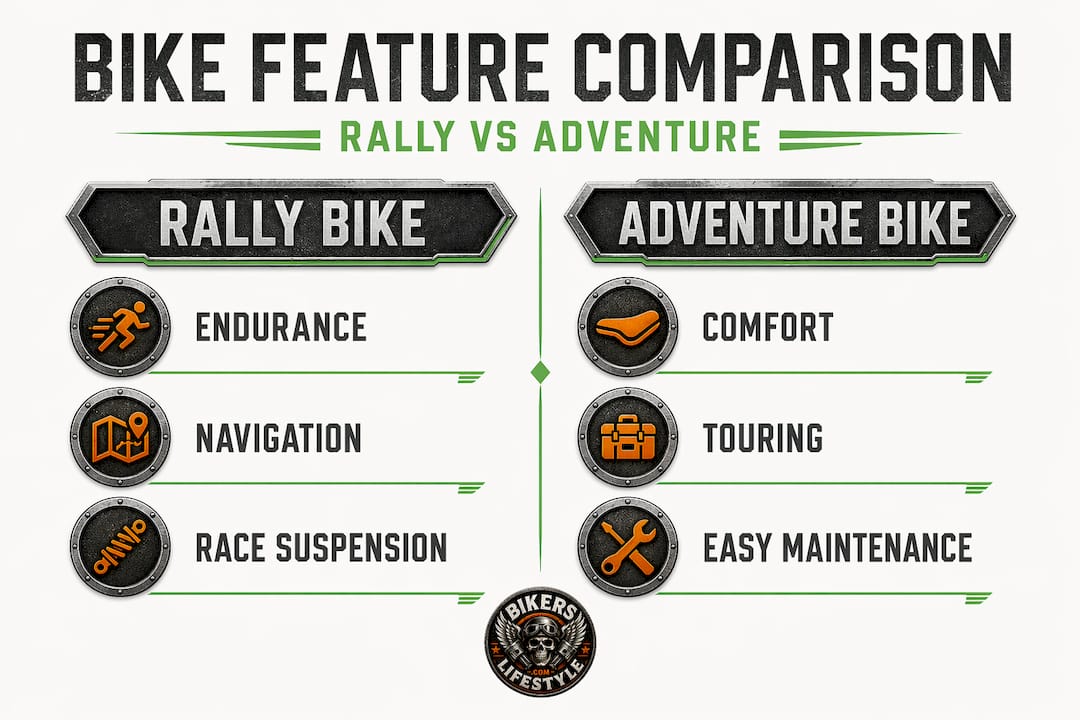
Factory rally bikes prioritize endurance, navigation integration, and race-level suspension while adventure bikes prioritize comfort, luggage capacity, and long-term reliability. Neither is universally better. The better question is which trade-off fits your actual program.
Pro Tip: Before buying, ride the bike on a gravel or unpaved road if you can. Parking lot ergonomics feel completely different once the surface gets loose.
Types of motorcycles used in rallies
Understanding the three major categories will save you from expensive regrets. Each one represents a different philosophy about what rally riding actually demands.
Factory rally bikes
These are the machines you see in Dakar coverage. Stripped down, purpose-built, and completely uncompromising. Bikes like the KTM 450 Rally and the Husqvarna FR 450 Rally are engineered for one job and they do it brilliantly. The problem for most California riders is everything else: limited street legality, specialized parts that take weeks to source, and suspension setups that punish you on pavement. They reward riders who already have serious off-road skill and a dedicated support crew.
Rally-ready dual-sports
This is where most California rally riders find their sweet spot. Bikes in this category are street-legal, mechanically accessible, and genuinely capable off-road. The 500 EXC-F is a gold standard rally-type motorcycle with its 510cc single-cylinder, lightweight frame, and solid aftermarket upgrade ecosystem. You can run it to a local event, sort out a problem with standard tools, and ride home the same day.
Rally-capable adventure bikes
The most popular choice by volume. These bikes handle well on mixed terrain, carry substantial fuel loads, and come loaded with electronics that help less experienced riders manage challenging conditions. The Ducati Multistrada V4 Rally includes adjustable seat heights, radar safety features, and a 30-liter fuel capacity that makes extended touring stages genuinely comfortable.
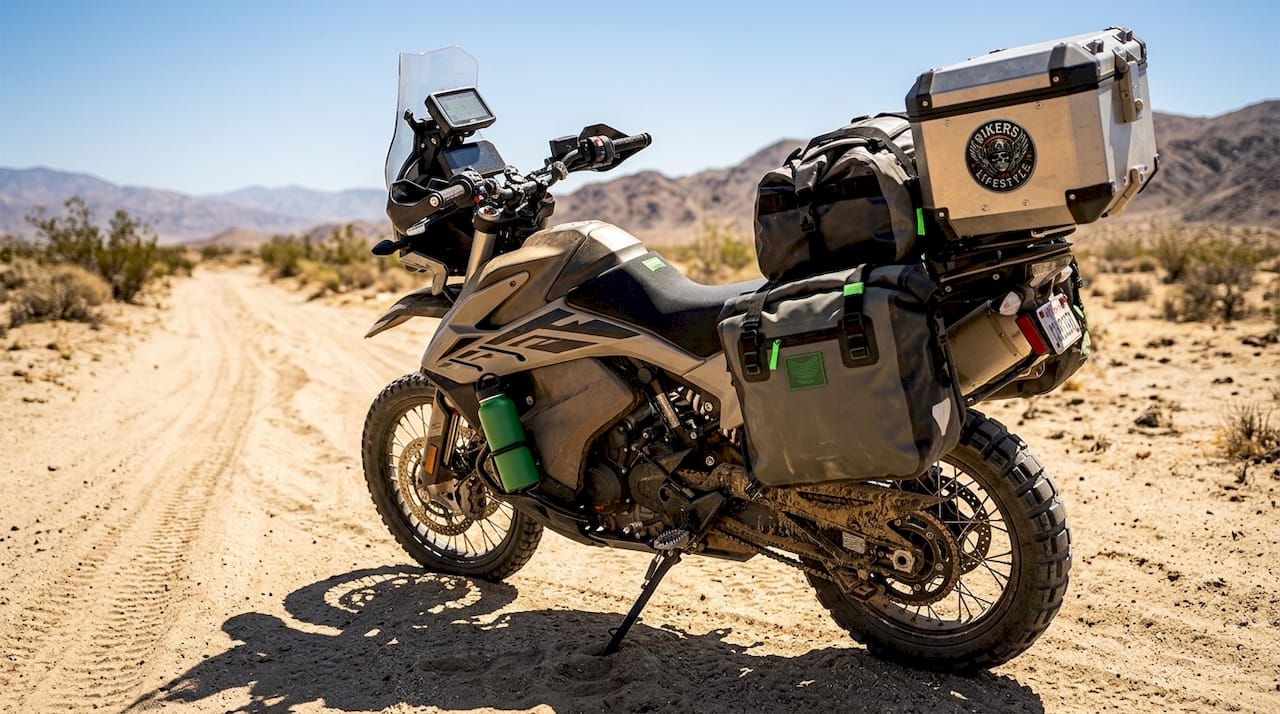
Here's a side-by-side comparison of representative models across the three categories:
| Model | Category | Suspension travel | Wet weight | Power | Price range |
|---|---|---|---|---|---|
| KTM 450 Rally | Factory rally | 295 mm | 115 kg | 63 hp | $30,000+ |
| KTM 500 EXC-F | Dual-sport rally | 300 mm | 108 kg | 58 hp | $12,000 to $14,000 |
| Yamaha Ténéré 700 World Raid | Rally-capable ADV | 230 mm | 204 kg | 72 hp | $14,000 to $16,000 |
| Aprilia Tuareg Rally 660 | Rally-capable ADV | 240 mm | 187 kg | 80 hp | $13,000 to $15,000 |
| Ducati Multistrada V4 Rally | Adventure touring | 185 mm | 243 kg | 170 hp | $28,000+ |
| KTM 890 Adventure R Rally | ADV rally spec | 270 mm | 200 kg | 105 hp | $21,000+ |
Notable strengths and limitations to keep in mind:
- The Yamaha Ténéré 700 World Raid offers a strong balance of rally-spec suspension and everyday usability
- The Aprilia Tuareg Rally 660 delivers 240 mm suspension travel and 80 hp with a 35.95-inch seat height that keeps it accessible for mid-height riders
- Factory rally bikes demand experienced riders. Dropping a 115 kg bike repeatedly is manageable. Dropping a 200 kg adventure bike is a different situation entirely.
- The Ducati Multistrada V4 Rally suits riders who split time between rally events and longer road trips
Practical steps to get rally-ready in California
Working through a clear selection process matters more than chasing the most impressive spec list. Here's how to do it right.
-
Assess your actual skill level. Be honest. If you've ridden mainly pavement with occasional dirt roads, a full factory rally bike will fight you. ADV trainer Bret Tkacs specifically advises matching your bike to realistic usage rather than aspirational goals, because most owners never fully utilize the extreme capabilities of high-spec machines.
-
Define your primary rally terrain. California desert rallies, forest road events, and coastal enduro rides each demand different setups. Check California desert rally culture to understand the specific demands before you commit to a bike style.
-
Evaluate local service and parts availability. This matters more than most buyers consider. If your local dealer can't source suspension components or engine parts within a week, a mechanical issue during a multi-day event could end your trip early.
-
Test physical fit before purchasing. Seat height affects far more than whether your feet touch the ground. It shapes how you balance the bike, how quickly you can react to terrain changes, and how fatigued your hips get after six hours of riding.
-
Plan your modifications budget upfront. Most bikes in the rally-capable ADV category need at least a few upgrades before they're genuinely event-ready.
-
Join a local riding group before finalizing your decision. Riders who've already run the events you're targeting will give you real-world feedback that no review article can match.
Here's a practical modification priority table to guide your prep budget:
| Modification | Priority | Typical cost | Impact |
|---|---|---|---|
| Larger fuel tank | High | $300 to $800 | Extends range for desert stages |
| Navigation tower/RAM mount | High | $150 to $400 | Required for rally roadbook use |
| Suspension respring and tune | Medium-High | $400 to $900 | Improves control on rough terrain |
| Skid plate | High | $150 to $350 | Protects engine on rocky terrain |
| Rally tires | Medium | $250 to $500 | Optimizes grip on mixed surfaces |
| Tool tube and field repair kit | Medium | $80 to $150 | Critical for field repair readiness |
Pro Tip: Talk to your motorcycle insurer before modifying your bike. Aftermarket fuel tanks and navigation towers sometimes affect coverage. Comparing your options through a motorcycle insurance comparison before you build your rally setup can save real money.
Common mistakes when choosing a rally motorcycle
The mistakes that cost California rally riders the most money and enjoyment tend to cluster around the same patterns. Knowing them in advance puts you ahead of most first-time buyers.
-
Buying for aspiration, not reality. The most common and expensive mistake. Choosing a race-bred factory rally bike because you want to "grow into it" usually means spending two seasons fighting a machine that punishes you for every skill gap instead of helping you build.
-
Ignoring ergonomic fit. Riders routinely dismiss seat height and reach because the bike looks right. Most rally and gravel riders need only 150 to 180 mm suspension travel unless they're attacking technical terrain at speed, but high suspension travel also means a seat height that can compromise your control and confidence.
-
Overlooking parts and service complexity. Factory rally bikes demand specialist knowledge. When something breaks 60 miles from camp on a multi-day California desert event, "the parts are on order" is not an answer.
-
Mistaking cosmetic rally styling for actual rally capability. Some bikes wear rally graphics, crash bars, and aluminum side cases while running street-oriented suspension and road tires underneath. Check the suspension travel figures, the wheel size, and the ground clearance before you trust the styling.
-
Choosing suspension that doesn't match your terrain and speed. More travel is not always better. High travel makes the bike taller, softer at low speeds, and harder to manage for lighter or shorter riders.
The riders who show up to California rallies with well-chosen, properly prepped mid-range bikes consistently finish and enjoy the event. The ones with the most exotic machinery are sometimes the ones pushing it off the trail.
You can find a solid preparation checklist at the motorcycle rally packing guide on the Bikerslifestyle blog, which covers what to bring once you've sorted out the bike.
Top 2026 models for California rally riders
The 2026 model year has delivered some genuinely strong options across all three rally categories. Here are the standouts worth considering:
-
KTM 890 Adventure R Rally: The 270 mm suspension travel and 20-liter tank come in a 200 kg package built for experienced riders. Its competition-grade suspension and limited Dakar-oriented release make it the most capable street-legal rally machine in its class. Best for: riders with strong off-road experience looking for a genuine rally upgrade from a standard adventure bike.
-
Aprilia Tuareg Rally 660: Lighter than most competitors at 187 kg, the Tuareg Rally's 80 hp and 240 mm travel package makes it one of the more accessible high-performance options for mid-height riders. Best for: California desert and forest rally riders who want real off-road performance without factory rally bike complexity.
-
Yamaha Ténéré 700 World Raid: The World Raid version adds rally-specific upgrades to an already respected platform: a larger tank, longer suspension travel, and a more aggressive riding position. Best for: riders transitioning from road-focused bikes who want genuine trail capability with everyday usability intact.
-
Ducati Multistrada V4 Rally: With radar-assisted safety systems, 170 hp, and a 30-liter fuel range, this machine targets riders who want to compete in mixed-terrain rally-style events while maintaining a high level of technology and long-haul comfort. Best for: experienced riders splitting time between road and dirt, who attend California rallies as part of a broader touring lifestyle.
The best rally motorcycles represent a trade-off favoring either suspension and agility or comfort and maintenance accessibility. In 2026, the gap between these two categories has narrowed. That's genuinely good news for California riders who want competitive capability without the sacrifice of owning a race-only machine.
My take: capability versus comfort in California
I've watched a lot of California riders make this call, and the pattern I keep seeing is this. The riders who research the most impressive spec sheets often end up the most frustrated six months in. The riders who ask "what do I actually ride, where, and how often?" tend to make better purchases and stay in the community longer.
California's rally scene rewards versatility. A desert stage in the Anza-Borrego, a forest road loop in the Los Padres, and a community charity ride through wine country all happen within the same riding season. Owning a bike that genuinely handles two of those three scenarios well beats owning a machine optimized for one and miserable on the others.
What I've found from watching real riders in real events is that ergonomic fit causes more DNFs than mechanical failure does. A rider who's uncomfortable at hour four will make mistakes that a well-fitted rider on a less impressive bike simply won't make.
I'd also push back on the idea that you need to spend above $20,000 to have a meaningful rally experience in California. The Yamaha Ténéré 700 World Raid and the Aprilia Tuareg Rally 660 both sit at a price point that leaves budget for proper tires, a quality skid plate, and a suspension tune. That's the combination that actually finishes rallies. The bike with the highest sticker price rarely wins the enjoyment metric in multi-day community events.
Start where your skill is, not where you want it to be in three years. Grow into capability, and the rally scene here will reward you for it.
— Trevor
Find your next rally with Bikerslifestyle
Once you've sorted your bike choice, the next real challenge is finding the right events to put it to work. That's exactly where Bikerslifestyle becomes your most useful resource as a California rider.
Bikerslifestyle connects you with upcoming California motorcycle events including rally rides, scenic group routes, and community events organized specifically for the kind of riding this guide covers. If you're newly committed to the rally scene and want to build skills before competing, the ADV riding clinic at the Great Adventure Rally is one of the best structured opportunities in the state for riders at any level. For those who want a more relaxed introduction, the Scenic Spring Rally Ride offers a well-organized community route that puts your new setup to the test in excellent company. Use the Bikerslifestyle platform to find rallies near you and connect with rider groups who already know the terrain you're planning to tackle.
FAQ
What makes a motorcycle suitable for rally events?
A rally suitable motorcycle needs adequate suspension travel, strong fuel range, and ergonomics that support active off-road riding position. Field repair accessibility matters just as much as raw performance for multi-day events.
How do rally bikes differ from adventure bikes?
Rally bikes favor suspension and agility over comfort and maintenance simplicity, while adventure bikes prioritize touring usability and reliability. The best choice depends on your terrain, skill level, and event type.
What suspension travel do most rally riders actually need?
Most gravel and rally riders need 150 to 180 mm of travel for standard terrain. Technical desert or high-speed stages benefit from 200 mm or more with adjustable damping.
Are beginner riders suited for factory rally motorcycles?
No. Factory rally bikes demand advanced off-road skill and a support infrastructure most riders don't have. A well-prepped dual-sport or rally-capable adventure bike is a far better starting point for newer riders.
Which 2026 model is best for California desert rallies?
The KTM 890 Adventure R Rally and Aprilia Tuareg Rally 660 are the strongest 2026 options for California desert conditions, offering genuine off-road suspension, adequate fuel range, and manageable weight for experienced riders.