
TL;DR:
- Preparing for your first motorcycle rally involves early registration, thorough bike inspection, and deliberate gear selection to ensure safety and enjoyment. Choosing a smaller, local event and securing accommodations early helps minimize stress and logistical challenges. Practicing group riding safety, packing appropriately for weather, and performing a comprehensive T-CLOCS inspection are essential steps to have a confident rally experience.
Preparing for your first motorcycle rally means coordinating registration, bike maintenance, gear selection, and ride strategy into one focused plan before you ever leave your driveway. The difference between a first-timer who has a great experience and one who spends the weekend stressed comes down almost entirely to preparation. This guide walks you through every critical step: from choosing the right event and completing a T-CLOCS inspection to packing smart and riding safely in a group. Follow this process and you will arrive confident, comfortable, and ready to enjoy every mile.
How do you prepare for your first motorcycle rally?
The first decision you make sets the tone for everything else. Smaller, local events are the right starting point for beginners because they offer a more relaxed introduction to rally culture without the logistical complexity of a 500,000-person event like Sturgis or Daytona Bike Week. First-time rally attendees commonly overestimate their logistical capabilities, and mid-sized rallies reduce that risk significantly. You get the full experience, the community, the rides, and the vendors, without the overwhelming crowds.
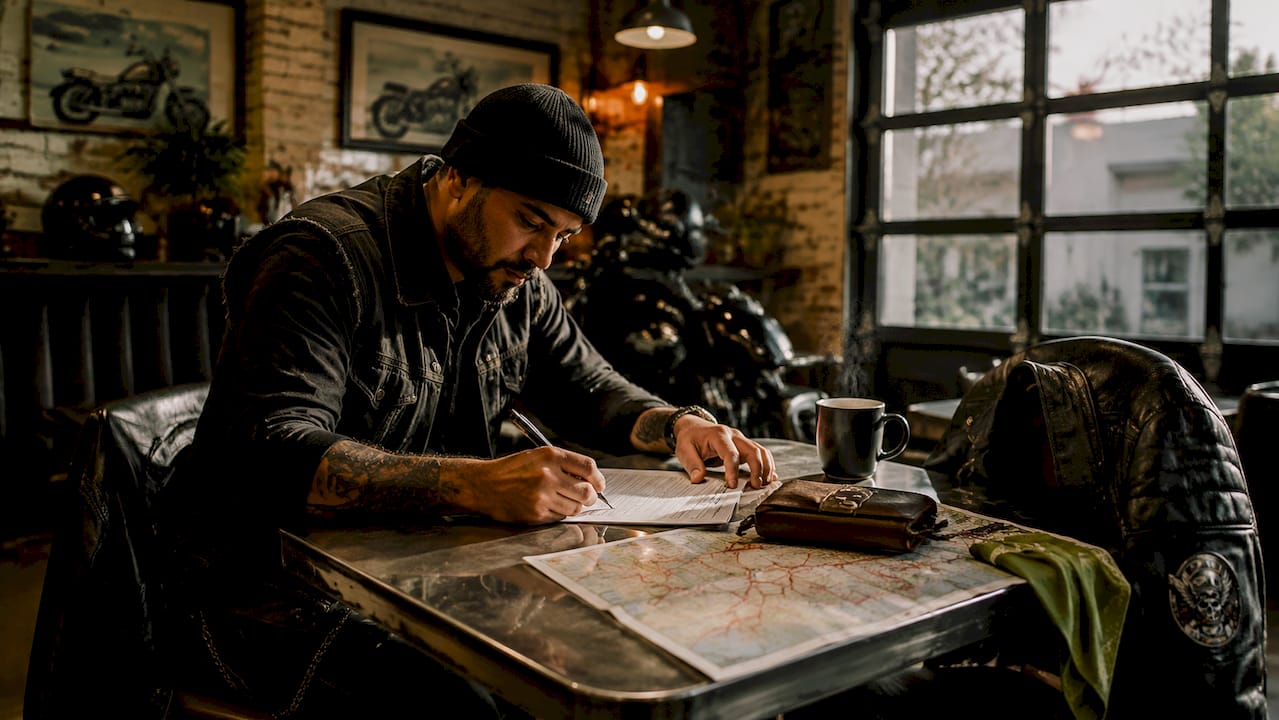
Once you have identified your target event, registration timing matters more than most beginners expect. Registration windows for major rallies often close one to two weeks before the event, but accommodations fill up to a year in advance. That means your lodging decision needs to happen long before your gear decision. Book first, plan second.
Camping vs. hotel: what works better for beginners
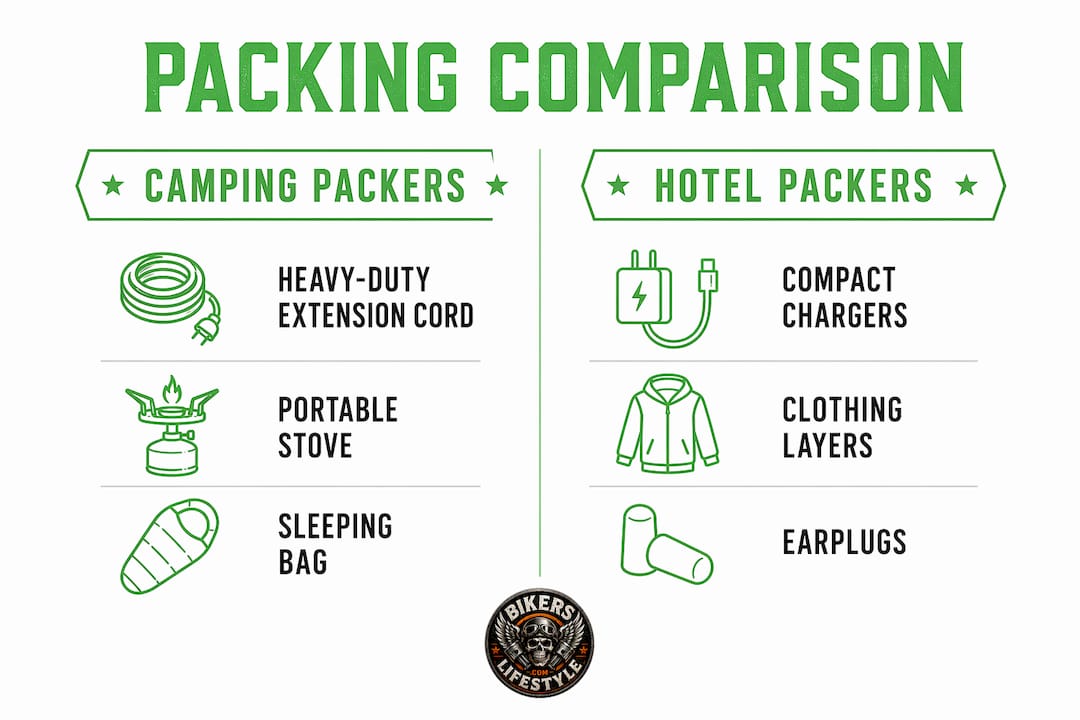
Your lodging choice shapes your entire packing list. Hotels give you climate control, security, and easy access to power. Camping puts you closer to the action and the community, but it introduces real logistical demands. Camping at major rallies requires heavy-duty extension cords, power strips, and well-secured tents to handle unreliable hookups and sudden weather changes. If you camp, treat your tent setup as seriously as your bike setup.
For a true first-timer, a hotel within reasonable riding distance of the rally grounds is often the smarter call. You sleep better, you protect your gear, and you reduce the number of variables you are managing at once. Once you have one rally under your belt, camping becomes a much more appealing and manageable option.
Pro Tip: Book your accommodation the same week you register for the event. Do not wait until your gear is sorted. Rooms near popular rally venues disappear faster than registration slots.
Here is what to confirm before you finalize your rally selection:
- Rally size and crowd level relative to your comfort zone
- Distance from home and whether the route suits your skill level
- Time of year and typical weather for that region
- Availability of camping vs. hotel options near the venue
- Whether the event has a formal registration process or open attendance
What are the essential motorcycle inspections before the rally?
No amount of great gear compensates for a bike that breaks down 200 miles from home. Riders are strongly advised to perform a T-CLOCS inspection before any long-distance ride, and a rally is no exception. T-CLOCS stands for Tires, Controls, Lights, Oil, Chassis, and Stand. Each category covers a specific system that, if neglected, can turn your rally weekend into a roadside repair job.
Work through each category methodically at least one week before your departure date. That timeline gives you enough runway to schedule a shop visit if you find something that needs professional attention.
- Tires: Check tread depth, sidewall condition, and inflation pressure. Cold tires should match the manufacturer's recommended PSI. Look for cracking, bulging, or embedded debris.
- Controls: Test throttle response, clutch lever feel, and brake lever travel. Both brakes should engage firmly without excessive play. Cables should move freely without fraying.
- Lights: Verify headlight, taillight, brake light, and turn signals. Ride with your headlight on at all times during the rally for maximum visibility.
- Oil: Check engine oil level and condition. If you are within 500 miles of your next scheduled oil change, do it before the trip. Check brake fluid and coolant levels if applicable.
- Chassis: Inspect the frame for cracks, check all bolts for tightness, and examine the chain or belt drive for proper tension and lubrication.
- Stand: Test both the kickstand and center stand if equipped. A stand that does not lock securely is a real hazard in a crowded rally parking area.
Pro Tip: If your bike has not had a professional service in the last 3,000 miles, schedule a tune-up at least two weeks before the rally. Shops get busy in riding season and same-week appointments are rare.
Proactive maintenance and defensive riding together reduce the risk of accidents and breakdowns during rallies far more than any single piece of gear. Preparation is the strategy, not luck.
What essential gear and packing strategy do first-time rally attendees need?
Gear selection for a motorcycle rally covers two distinct categories: protective riding gear you wear on the bike, and personal items you pack for the trip. Both matter, and both require deliberate choices.
Riding gear you should never skip
DOT-approved helmets are the non-negotiable starting point. Beyond that, your gear should protect you from both crashes and the environment. A quality leather or textile jacket with CE-rated armor at the shoulders and elbows provides impact protection and wind resistance. Gloves protect your hands in a fall and reduce vibration fatigue on long rides. Boots that cover the ankle protect one of the most commonly injured body parts in motorcycle accidents.
Layering and rain gear are mandatory for any multi-day rally because temperature swings between morning and afternoon can exceed 30 degrees Fahrenheit. Lightweight moisture-wicking base layers under your jacket handle the heat. A packable rain suit stored in your saddlebag handles the storms. Do not assume the forecast will hold.
Packing comparison: camping vs. hotel attendees
| Item category | Camping packer | Hotel packer |
|---|---|---|
| Power and charging | Heavy-duty extension cord, power strip | Standard phone charger, portable battery |
| Shelter and sleep | Tent, sleeping bag, ground pad | None required |
| Clothing volume | More layers, dedicated rain gear | Lighter load, laundry access |
| Tools and repair | Full kit plus duct tape and zip ties | Basic roadside kit |
| Comfort extras | Earplugs, camp chair, lantern | Earplugs, personal toiletries |
Silicone earplugs serve three functions at a rally: they protect against wind noise during long rides, reduce ear fatigue, and improve sleep quality in noisy campgrounds. They weigh almost nothing and cost almost nothing. Pack two pairs.
Your packing list should also include:
- A first aid kit with blister treatment, pain reliever, and any personal medications
- Snacks and a hydration pack or water bottle for the ride
- A portable phone charger or battery bank
- Paper maps as backup navigation, since cell service near rally areas is often spotty in scenic but remote locations
- Duct tape and zip ties for field repairs
- Sunscreen and lip balm for full-day sun exposure
Pro Tip: Ship a box of extra clothing and non-riding gear to your hotel before you leave home. Saddlebags fill up fast, and arriving with a pre-shipped box waiting at the front desk is one of the smartest moves an experienced rally rider makes.
How do you ride safely during your first motorcycle rally?
Safe riding at a rally requires more than skill. It requires awareness of a riding environment that is fundamentally different from your daily commute. Rally roads concentrate thousands of riders with varying skill levels, some on unfamiliar bikes, many riding longer distances than usual. Defensive riding is the only rational approach.
Visibility is your first line of defense. Wear high-contrast gear or add reflective strips to your jacket and helmet. Ride with your headlight on. Maintain a following distance of at least three seconds in normal conditions and extend that to five seconds in heavy rally traffic. Watch for gravel, oil patches, and sand at intersections, all of which are more common near rally venues.
Group riding basics every beginner needs to know
Group riding safety requires mastering formation, communication, and your role within the group. The standard formation is staggered: the lead rider takes the left third of the lane, the second rider takes the right third, the third rider returns to the left, and so on. This gives each rider a full lane's worth of stopping distance while keeping the group compact.
Every group ride needs a designated ride leader at the front and a sweep rider at the rear. The ride leader sets the pace and signals turns. The sweep rider stays with any rider who falls behind or has a mechanical issue. As a first-timer, your job is to ride your own ride within the group. Do not push your pace to keep up if the group is moving faster than your comfort level.
"The most dangerous moment in group riding is when a newer rider tries to match the pace of a more experienced one. Ride your own skill level, not someone else's."
Hand signals are the primary communication tool when engines are running. Learn the standard signals before the rally: left turn, right turn, speed up, slow down, single file, staggered formation, stop, and hazard in road. Practice them before you go.
Fatigue management is the final piece of the safety equation. Stop every 90 to 120 minutes regardless of how good you feel. Drink water at every stop. Eat real food, not just energy bars. Fatigue degrades reaction time faster than most riders realize, and rally days are long.
Joining local Harley Owners Group chapters or state-based Facebook groups months before your first event gives you access to real-time tips, informal ride schedules, and experienced riders who have done this before. That local knowledge is genuinely hard to replicate from a checklist alone.
Key takeaways
Preparing for your first motorcycle rally requires early registration, a thorough T-CLOCS bike inspection, deliberate gear selection, and a clear understanding of group riding rules before you leave home.
| Point | Details |
|---|---|
| Book accommodations first | Rally lodging fills up to a year in advance, so secure your spot before finalizing any other plan. |
| Complete a T-CLOCS inspection | Check tires, controls, lights, oil, chassis, and stand at least one week before departure. |
| Pack for weather variability | Layer moisture-wicking base layers under your jacket and always carry a packable rain suit. |
| Bring earplugs | Silicone earplugs reduce wind noise, ear fatigue, and improve sleep in noisy campgrounds. |
| Ride your own pace in groups | Use staggered formation, learn hand signals, and never match a pace beyond your skill level. |
What I wish someone had told me before my first rally
The advice I would give my past self is simple: start smaller than you think you need to. My first instinct was to go straight to a major national event because that felt like the real experience. What I did not account for was the sheer cognitive load of managing navigation, group dynamics, weather, and unfamiliar roads all at once, while also trying to enjoy myself.
A mid-sized regional rally gave me the full picture without the overwhelm. I met riders who had been doing this for decades, and the conversations I had around the campfire taught me more about rally culture than any article could. That is the part most first-timer guides miss. The social dimension is not a bonus. It is the point.
On the gear side, the item I underestimated most was earplugs. I thought they were optional. After six hours on the highway with wind noise at highway speed, I understood why experienced riders treat them as mandatory. The same goes for a paper map. My phone lost signal twice on the way to the venue. The map cost me two dollars and saved me forty minutes of confusion.
My honest advice on group riding: introduce yourself to the ride leader before the group departs and tell them it is your first rally. Every experienced leader I have met respects that honesty and will position you appropriately in the formation. Trying to blend in and keep up is how first-timers get into trouble.
The weather will not cooperate perfectly. The parking will be chaotic. Something will not go according to plan. None of that matters as much as you think it will once you are there. The community at these events is genuinely welcoming, and the shared experience of riding to the same place with thousands of other people is something that is hard to describe until you have felt it.
— Trevor
Find your first rally with Bikerslifestyle
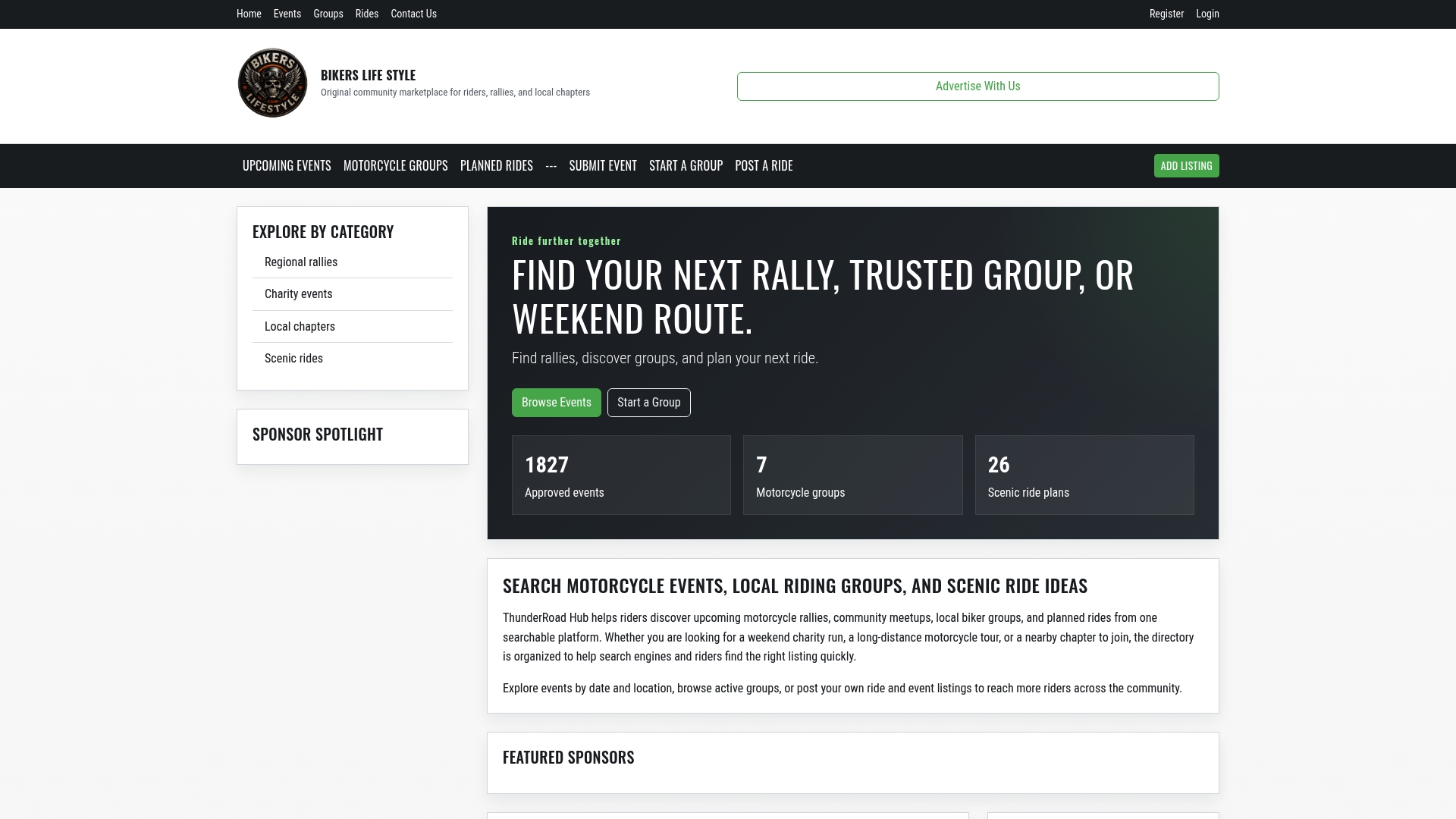
Bikerslifestyle connects first-time and experienced riders with motorcycle rallies, group rides, and scenic routes across the country. The platform's event calendar lists upcoming rallies organized by date, location, and size, making it straightforward to find an event that matches your skill level and schedule. You can also browse local riding groups and community events to connect with experienced riders before your first rally weekend. Finding your event, your group, and your route in one place removes the guesswork from motorcycle rally preparation and puts you on the road with confidence.
FAQ
What should I do first when preparing for a rally?
Book your accommodation before anything else. Rally lodging fills up to a year in advance, and securing your spot early is the single most time-sensitive step in the entire preparation process.
How do I join a motorcycle rally as a beginner?
Most rallies have open registration through their official website or a third-party event platform. Check the registration process early, as windows for major events often close one to two weeks before the event date.
What is the T-CLOCS inspection?
T-CLOCS is a pre-ride safety checklist covering Tires, Controls, Lights, Oil, Chassis, and Stand. Riders should complete this inspection at least one week before a long-distance rally trip to catch mechanical issues before they become roadside problems.
What gear is non-negotiable for a motorcycle rally?
A DOT-approved helmet, armored jacket, gloves, and ankle-covering boots are the baseline. Add a packable rain suit and silicone earplugs, and you are prepared for the most common conditions a multi-day rally will throw at you.
Is group riding required at motorcycle rallies?
Group riding is not required, but it is common. If you join a group ride, learn the staggered formation and standard hand signals before you go. Riding your own pace within the group is more important than keeping up with faster riders.