
TL;DR:
- Proper route selection and workload management ensure a safe and enjoyable motorcycle weekend ride.
- Pre-ride safety checks, group coordination, and thorough packing are essential to prevent stress and mechanical issues.
Weekend ride planning tips are strategies and best practices for selecting routes, packing essentials, and coordinating group dynamics to maximize safety and enjoyment on two-day motorcycle trips. The difference between a ride you talk about for years and one you barely survive comes down to preparation. Route selection, hydration stops, gear layout, and group communication are the four pillars every rider needs to get right before the kickstand goes up. This article covers each one with the specificity your Saturday morning deserves.
1. How to select the best routes for your weekend ride
Route selection is the single decision that shapes every other part of your weekend. Choose wrong and you spend day two grinding through terrain that was never meant for your bike or your body.
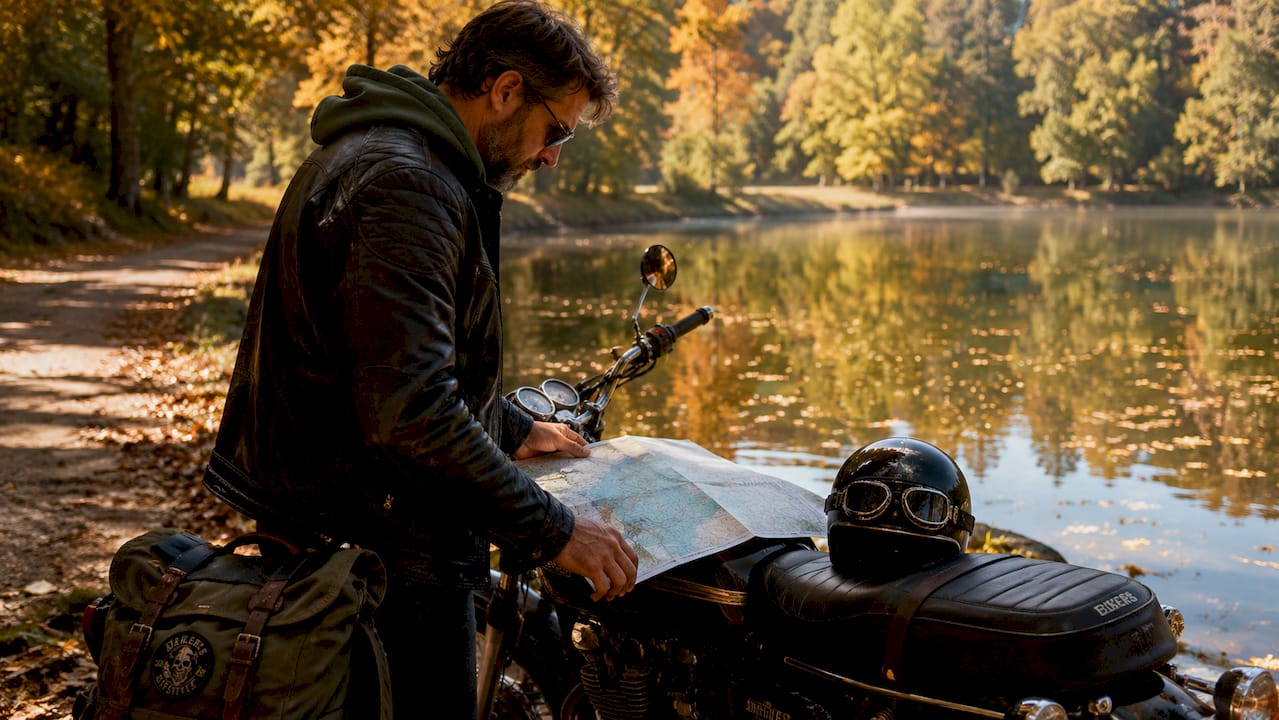
The first step is matching route difficulty to your actual riding experience, not your aspirational experience. A route classification guide breaks down the difference between technical canyon roads, highway cruisers, and mixed-terrain routes so you can pick one that fits your skill set. Elevation gain matters as much as total mileage. A 60-mile day on flat roads is a completely different ride from 60 miles with 4,000 feet of climbing.
Beginners should target 20 to 40 miles per day, while experienced riders can push 50 to 80 miles across a two-day weekend trip. That range exists because burnout on day one ruins day two. Plan two-day trips by working backward from your available riding hours rather than fixating on total distance.
Loop vs. out-and-back routes:
| Route type | Best for | Key trade-off |
|---|---|---|
| Loop | Variety seekers, group rides | Harder to shorten if conditions change |
| Out-and-back | Beginners, solo riders | Easy bailout option at any point |
| Point-to-point | Experienced riders with a shuttle | Maximum scenery, requires logistics |
Loop routes deliver more visual variety and eliminate backtracking, but they commit you to the full distance. Out-and-back routes give you a natural bailout point at any mile marker, which is worth more than most riders admit until they need it.
Pro Tip: Use Google Maps satellite view alongside a dedicated motorcycle routing app like Scenic or Rever to preview road surface quality before you commit to a route. Pavement that looks great on a map can be chip-sealed gravel in real life.
- Match terrain type to your bike's capability (sport, cruiser, ADV)
- Keep day one mileage shorter than day two to allow for setup and recovery
- Identify at least two fuel stops and one rest stop per day in advance
- Check road closure databases through state DOT websites before departure
2. Essential safety and preparedness tips for weekend rides
Safety on a weekend ride is not about riding scared. It is about removing the variables that turn a minor inconvenience into a trip-ending problem.
Start with a pre-ride mechanical check the evening before departure. Tires, brakes, chain tension, and lights take less than 15 minutes to inspect and catch 90% of mechanical failures before they happen on the road. A motorcycle rally checklist covers the full inspection sequence, including fluid levels and brake pad thickness, which most riders skip until something goes wrong.
Carry front and rear lights even on daytime rides because tunnel exits, heavy tree cover, and sudden fog create low-visibility conditions that have nothing to do with the time of day. This is one of the most overlooked items on any weekend biking checklist. A USB-rechargeable rear blinker weighs almost nothing and takes up zero meaningful space.
Plan hydration and fuel stops every 15 to 25 miles or every one to two hours to prevent the energy slumps that cause poor decision-making on the road. Dehydration affects reaction time before you feel thirsty. Riders who wait until they feel depleted are already behind.
Weekend ride essentials to carry:
- Tire plug kit and CO2 inflators (two cartridges minimum)
- Multi-tool with hex keys and a chain breaker
- First aid kit sized for road rash and minor cuts
- Emergency contact card stored inside your helmet
- Rain layer packed on top of your bag, not buried at the bottom
- Portable battery pack for phone and USB-charged lights
Pro Tip: Pack your rain gear in a bright-colored dry bag strapped to the outside of your pack. You will never need to unpack everything in a parking lot during a surprise storm again.
Weather changes faster in mountain and coastal terrain than most weather apps predict. Check the National Weather Service hourly forecast for your specific route corridor the morning of departure, not the night before.
3. How to manage group dynamics and pace for enjoyable weekend rides
Group rides fail for one reason more than any other: nobody agreed on the actual purpose of the ride before leaving the parking lot. Defining the "why" of the ride directly shapes every downstream decision, from route difficulty to stop frequency to acceptable pace. A fitness-focused ride and a scenic cruise require completely different planning, even on identical roads.
Before any group departs, agree on these five specifics:
- Total daily mileage and the hard stop time for day one
- Location and duration of every planned rest stop
- The communication method if riders get separated (text thread, two-way radio, or a designated regrouping point every 20 miles)
- The pace standard, meaning whether the group waits at every turn or only at designated checkpoints
- The bailout plan for any rider who needs to cut the ride short
Managing varying skill levels is where most group rides break down. The strongest rider sets the pace, the weakest rider gets dropped, and the middle riders spend the day anxious. The fix is a group ride coordination approach where the fastest rider leads and the second-most experienced rider sweeps at the back. Nobody passes the sweep. This structure keeps the group intact without slowing the lead rider to a crawl.
Early start times solve more problems than any other single decision in group ride planning. Leaving at 7 a.m. instead of 9 a.m. gives you two extra hours of buffer for wrong turns, mechanical stops, and slower terrain. Building mental margin into your itinerary means day two stays enjoyable instead of becoming a race against sunset. Groups that plan tight schedules spend the whole ride stressed. Groups that plan loose schedules spend it riding.
Share the route file with every rider before departure, not just the lead. Apps like Rever and Scenic allow route sharing via a link. If the lead rider goes down or gets separated, every other rider still knows where they are going.
4. Pre-ride preparations and packing for a stress-free departure
The Friday night before a weekend ride is where the ride actually begins. A prep ritual that includes a bike check, route download, and full gear layout reduces Saturday morning scramble and eliminates the "I forgot my..." moment at mile three. Riders who prep Thursday night sleep better and leave calmer.
Lay out every piece of gear on a flat surface and check it against your weekend biking checklist before packing anything. This visual audit catches missing items faster than any mental checklist. Pack your bag in reverse order of need: items you need last go in first.
Full pre-ride packing checklist:
- Helmet, gloves, jacket, and base layers laid out and inspected
- Riding boots and rain covers confirmed
- Phone mount and charging cable tested on the bike
- Navigation route downloaded offline in case of no cell service
- Emergency cash and a physical copy of your route
- Snacks packed for the road (bars, gels, or trail mix for constant fueling)
- Water bottles or hydration pack filled and ready
Load perishable food and water on ride morning only. Everything else goes in the bag Friday night. This two-phase packing approach cuts departure time by 20 minutes on average and removes the decision fatigue that comes with packing everything at once under time pressure.
E-bike riders should reduce manufacturer battery range estimates by 25% when planning routes to account for hills, headwinds, and temperature effects on battery performance. A bike rated for 60 miles should be planned as a 45-mile bike. Running out of battery on a remote road is a different problem than running out of gas.
Pro Tip: Take a photo of your fully packed gear layout before you leave home. If you arrive at camp and think something is missing, you can check the photo instead of unpacking everything to find out.
Key takeaways
Effective weekend ride planning combines manageable daily distances, pre-ride safety checks, clear group agreements, and Friday-night preparation to deliver rides that are safe, enjoyable, and repeatable.
| Point | Details |
|---|---|
| Match distance to experience | Beginners cap at 20 to 40 miles per day; experienced riders can manage 50 to 80 miles across two days. |
| Hydrate and fuel on a schedule | Stop every 15 to 25 miles or every one to two hours to maintain energy and reaction time. |
| Define the ride's purpose first | Agreeing on the "why" before departure aligns pace, route, and stop decisions for the whole group. |
| Prep Friday night, not Saturday morning | A full gear layout and bike check the night before eliminates departure stress and forgotten items. |
| Build in buffer time | Mental margin for wrong turns and mechanical stops keeps day two enjoyable instead of stressful. |
What I've learned from years of planning weekend rides
The most common mistake I see riders make is treating the route as the plan. They pick a road, share a pin, and call it organized. Then someone's bike needs gas 10 miles before the planned stop, someone else needs a bathroom, and the group fractures before lunch.
Real planning starts with a conversation, not a map. I ask every rider in my group one question before we leave: what do you need this ride to be? Some people want to push distance. Some want to stop at every overlook. Some are nursing a sore back and need a shorter day. You cannot build a good itinerary until you know those answers.
I also stopped trusting my own pace judgment years ago. I ride faster than I think I do, which means I consistently underestimate how long stops take and how tired newer riders get. The fix was simple: I now add 90 minutes to every time estimate I make for a group ride. We almost always use it.
Hydration is the one thing riders consistently underdo. I carry 70 ounces of water for any ride over three hours and still sometimes finish the day slightly dehydrated. The road is dry, the wind pulls moisture out of you constantly, and you are focused on riding rather than drinking. Set a phone alarm for every 45 minutes if you have to. Your decision-making on the second day depends on how well you fueled the first.
The rides I remember most are not the longest or the most technically demanding. They are the ones where the group was in sync, the stops were well-timed, and nobody felt rushed. That does not happen by accident. It happens because someone did the planning work the night before.
— Trevor
Plan your next weekend ride with Bikerslifestyle
Bikerslifestyle connects motorcycle riders with the routes, events, and community groups that make weekend rides worth planning. Whether you are looking for a curated scenic route or a structured group ride with riders at your level, the platform has the resources to build your weekend itinerary from scratch.
Browse the full collection of scenic rides organized by region, terrain, and distance to find routes that match your riding goals. Check the event calendar for upcoming rallies, charity rides, and skill-building clinics like the ADV Riding Clinic attached to the Great Adventure Rally. The Bikerslifestyle community is where weekend rides turn into something you actually look forward to planning.
FAQ
How many miles should I ride on a weekend motorcycle trip?
Beginners should target 20 to 40 miles per day, while experienced riders can comfortably manage 50 to 80 miles across a two-day trip. Keeping day one shorter than day two preserves energy and makes the full weekend more enjoyable.
How do I plan a weekend ride for a group with mixed skill levels?
Place the most experienced rider at the front and the second-most experienced at the back as a sweep, and agree on regrouping checkpoints every 20 miles rather than waiting at every turn. Sharing the route file with all riders before departure means no one is stranded if the group separates.
What should I always carry on a weekend motorcycle ride?
The core weekend ride essentials are a tire plug kit with CO2 inflators, a multi-tool, a first aid kit, a rain layer, emergency cash, and front and rear lights. Daytime lights are critical because tunnels, tree cover, and sudden weather create low-visibility conditions regardless of the hour.
When should I start preparing for a weekend ride?
Start Friday night. A prep ritual covering bike inspection, route download, and gear layout the evening before departure removes Saturday morning stress and reduces the chance of forgetting critical items.
How do I plan battery range for an e-bike weekend trip?
Reduce the manufacturer's stated range by 25% when mapping your route to account for hills, wind, and temperature. A bike rated for 60 miles should be planned as a 45-mile bike to avoid unexpected power loss on remote roads.