

TL;DR:
- The biker lifestyle is based on core values of respect, responsibility, loyalty, and community that extend beyond appearances. Motorcycle clubs serve to teach and uphold these principles through structured mentorship, trust-building, and community engagement. Long-term riders embody accountability, mastery, and integrity, shaping a culture founded on shared conduct rather than stereotypes or rebellion.
The biker lifestyle is defined as a way of living centered on respect, responsibility, and shared road experience, not on appearances, rebellion, or stereotypes. Riders who live this lifestyle follow an unwritten code that governs how they treat fellow riders, handle themselves on the road, and show up for their community. The "biker code," brotherhood, and mentorship through motorcycle clubs are the structural pillars of this culture. What the biker lifestyle really means goes far deeper than leather jackets or loud pipes. It is a long-term commitment to a set of values that shapes how you ride, how you relate to others, and how you carry yourself when no one is watching.
What is a biker lifestyle, and what values define it?
The biker lifestyle is built on four core values: loyalty, integrity, mutual respect, and community. These are not informal suggestions. The Biker's Honour Code treats principles like "Your word is your bond" and "Family first" as non-negotiable standards that riders hold each other to. This code functions as the social contract of biker culture, and violating it carries real consequences within any serious riding community.
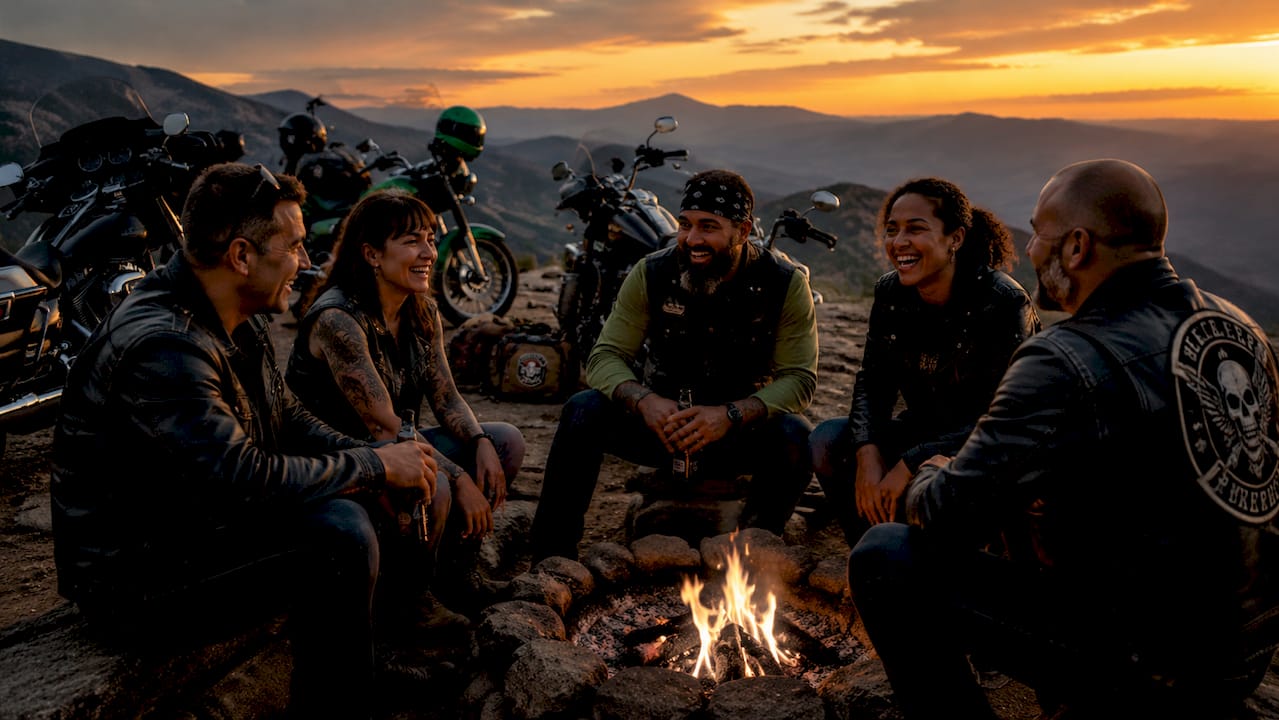
Respect on the road has a practical definition in this culture. Riders show respect by riding predictably, knowing their limits, and refusing to put other riders in danger to satisfy their ego. That means no reckless lane changes, no showing off in group formations, and no forcing others to compensate for your mistakes. Respect is earned through consistent, responsible behavior, not through the size of your engine or the patches on your vest.
Community is the other defining pillar. Biker culture functions as an ecosystem where belonging is reinforced through ongoing activities well beyond major rallies and shows. That includes informal meetups, wrenching sessions in someone's garage, and group rides on a Tuesday evening. The culture stays alive between big events because riders genuinely invest in each other.
The biker lifestyle is also an evolving mindset. Most long-term riders describe a clear shift over time: the initial thrill of speed and freedom gradually gives way to a deeper appreciation for consistency, mastery, and connection. That evolution is what separates someone who rides from someone who lives the biker lifestyle.
Key values that define biker culture at a glance:
- Loyalty: You stand by your riding partners and your word, regardless of convenience.
- Integrity: You do the right thing on and off the bike, especially when it costs you something.
- Mutual respect: You treat every rider as someone who has earned their place on the road.
- Family first: Personal relationships and community bonds take priority over status or ego.
- Accountability: You own your mistakes and fix them without deflecting blame.
Pro Tip: If you are new to the culture, the fastest way to earn respect is not to buy better gear. It is to show up consistently, ride responsibly, and keep your word to the people in your group.
How do motorcycle clubs shape the biker lifestyle?
Motorcycle clubs are the most structured expression of biker culture, and they play a defining role in how the lifestyle is transmitted from one generation of riders to the next. Club membership often involves a prospecting period that can last a year or more, during which a candidate demonstrates loyalty, reliability, and alignment with the club's code. This is not a formality. It is a trust-building process that filters out people who want the image without the commitment.
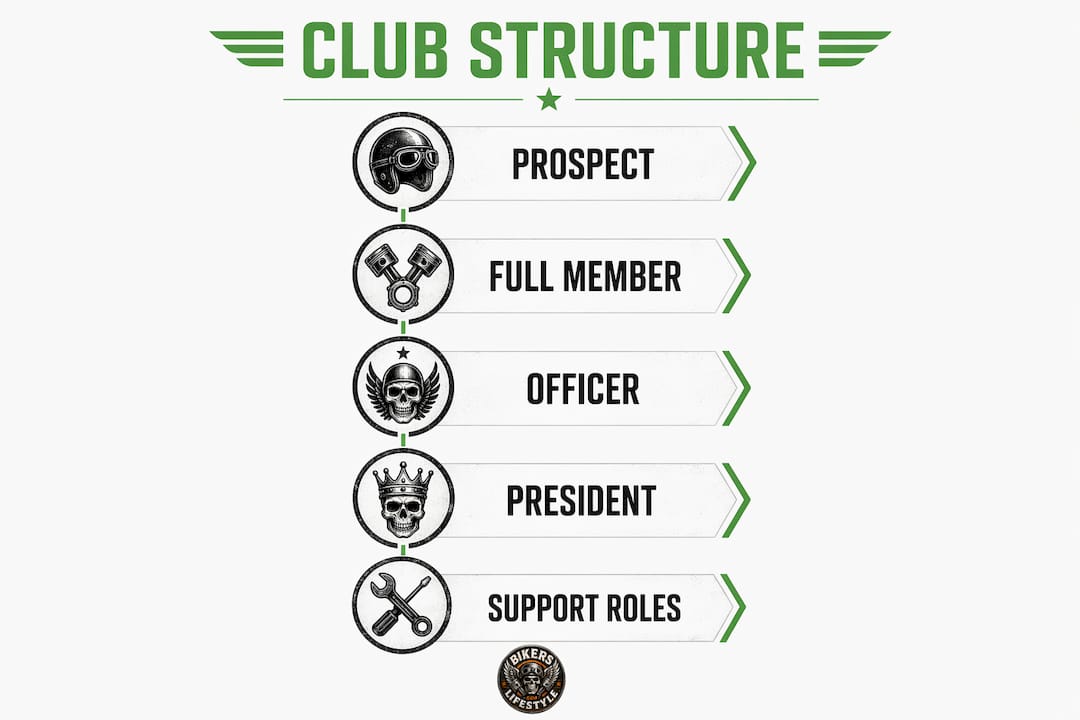
The structure of a club creates accountability at every level. Prospects answer to full members. Full members answer to officers. Officers answer to the club's charter and its founding values. This hierarchy is not about power for its own sake. It exists to protect the integrity of the group and to give newer riders a clear path toward earning full standing.
Clubs function as second families, providing mentorship on safety, riding technique, and bike maintenance that no YouTube tutorial can fully replace. An experienced club member who rides beside you and corrects your cornering posture in real time is worth more than hours of online research. That hands-on knowledge transfer is one of the most underappreciated aspects of club participation.
Group rides, rallies, and charity events are the public-facing side of this culture. Events like memorial rides and organized charity runs do double duty: they strengthen bonds within the group and demonstrate the community's values to the outside world. You can explore rally participation benefits to understand how these events build identity and trust over time.
Here is how participation levels typically break down across the biker community:
- Casual riders attend group rides and rallies occasionally, enjoying the social side without formal club commitment.
- Associate members ride regularly with a club, building relationships and learning the culture before committing to the prospecting process.
- Prospects are in the formal evaluation period, actively working to earn full membership through demonstrated loyalty and responsibility.
- Full members carry the club's patch, vote on decisions, and take on mentorship roles for newer riders.
- Officers hold leadership positions such as Road Captain or Sergeant-at-Arms, managing safety, logistics, and club governance.
| Participation level | Primary focus |
|---|---|
| Casual rider | Social connection and personal enjoyment |
| Associate member | Learning culture and building trust |
| Prospect | Earning membership through demonstrated values |
| Full member | Mentorship, governance, and community leadership |
Understanding why bikers join riding clubs reveals that the motivation is almost never about status. It is about belonging to something that demands more from you than a solo ride ever could.
How does the biker lifestyle go beyond the motorcycle itself?
Riding transforms from youthful excitement into a grounding, consistent lifestyle over time. The motorcycle is the entry point, but what keeps riders committed for decades is the identity, the community, and the personal discipline that the lifestyle demands. This is biker culture definition at its most honest: it is not about what you ride, it is about how you live.
Gear is a clear example of this shift in perspective. New riders often choose gear for aesthetics. Experienced riders choose gear for protection, fit, and function. A quality helmet, reinforced jacket, gloves, and boots are not fashion statements. They are the physical expression of a value system that prioritizes safety and responsibility over image. The gear you wear tells other riders something real about where you are in your development as a rider.
The lifestyle also includes the time you spend off the bike. Wrenching on your motorcycle, learning its mechanics, and understanding what it needs to perform safely is a core part of the culture. Riders who know their machines are safer, more confident, and more respected within their communities. Mechanical knowledge is not optional for serious participants in this lifestyle.
The diversity within biker culture is one of its most misunderstood features. The lifestyle includes solo riders who prefer long, meditative highway stretches, group riders who thrive on the camaraderie of a formation, builders who spend more time in the garage than on the road, and weekend warriors who balance riding with demanding professional lives. None of these approaches is more legitimate than the others. What unites them is a shared respect for the road and for the people who ride it.
Core elements that define how bikers live the lifestyle daily:
- Prioritizing safety gear as a non-negotiable standard, not a suggestion.
- Investing time in learning basic and advanced motorcycle maintenance.
- Showing up for community events, rides, and fellow riders in need.
- Riding within your skill level and expanding that level through deliberate practice.
- Treating every interaction on the road as a reflection of your values.
What misconceptions about biker culture need to be corrected?
The most persistent misconception about biker culture is that it centers on rebellion, lawlessness, or intimidation. The reality is the opposite. Biker culture centers on respect and responsibility, and the riders who carry the most weight within any community are the ones who demonstrate those qualities consistently, not the ones who look the most intimidating.
The "outlaw" image that dominates popular media representations of bikers is drawn from a very small subset of motorcycle club culture. The vast majority of riders, including members of structured clubs, operate within a clear code of conduct that emphasizes accountability and community. Club culture is structured, with defined roles, consequences for disloyalty, and expectations that members uphold the group's reputation. That is the opposite of lawlessness.
Another common error is equating the biker lifestyle with a specific look. Leather vests, tattoos, and beards are associated with the culture, but they are not the culture. Responsibility is earned through riding time, not through appearance. A rider in full sport gear on a Japanese motorcycle carries the same standing as a rider in a cut on a Harley-Davidson, provided both demonstrate the values the culture demands.
"The biker lifestyle is not about how you look pulling into a parking lot. It is about how you ride when conditions get hard, how you treat the person next to you when they need help, and whether your word means anything to the people who know you."
The diversity of rider identities within biker culture is one of its genuine strengths. Women riders, riders from every professional background, and riders across age groups all participate in and contribute to this culture. Reducing it to a single stereotype does a disservice to the thousands of people who live these values every day. Understanding biker brotherhood means recognizing that the community is far broader and more varied than any single image suggests.
Pro Tip: Before forming an opinion about a rider or a club, watch how they behave on the road and in their community. Conduct is the only reliable indicator of character in this culture.
Key takeaways
The biker lifestyle is defined by respect, responsibility, and community values, not by appearance, and those values are expressed through consistent conduct on and off the motorcycle.
| Point | Details |
|---|---|
| Core values drive the culture | Loyalty, integrity, mutual respect, and accountability are the foundation of the biker lifestyle. |
| Clubs transmit the culture | Motorcycle clubs provide mentorship, structure, and community that solo riding cannot replicate. |
| Gear reflects values, not fashion | Experienced riders choose protective gear as a safety commitment, not for appearance. |
| Diversity defines the community | Solo riders, club members, builders, and weekend riders all belong to the same culture through shared values. |
| Stereotypes miss the point | The biker lifestyle is built on responsibility and community, not rebellion or intimidation. |
What the road actually teaches you
I have spent enough time around riders and riding communities to say this with confidence: the biker lifestyle is one of the most misread subcultures in America. People see the surface and assume they understand the interior. They rarely do.
What strikes me most about long-term riders is how seriously they take accountability. Not in a performative way. In a quiet, consistent way that shows up in how they ride in a group, how they handle a disagreement within a club, and how they respond when a fellow rider needs help on the side of the road. That accountability is not taught in a single conversation. It accumulates through years of shared experience and mutual expectation.
The freedom that riders talk about is real, but it is not the freedom from rules. It is the freedom that comes from mastering something difficult and doing it with people who hold you to a high standard. That distinction matters enormously. The road does not forgive carelessness, and neither does a serious riding community. The two reinforce each other in ways that build genuine character over time.
What I find most worth communicating to anyone exploring this culture is that the entry point is not a motorcycle purchase or a patch. It is a decision to carry yourself with integrity on and off the bike, and to invest in the people riding beside you. Everything else follows from that.
— Trevor
Find your place in the biker community with Bikerslifestyle
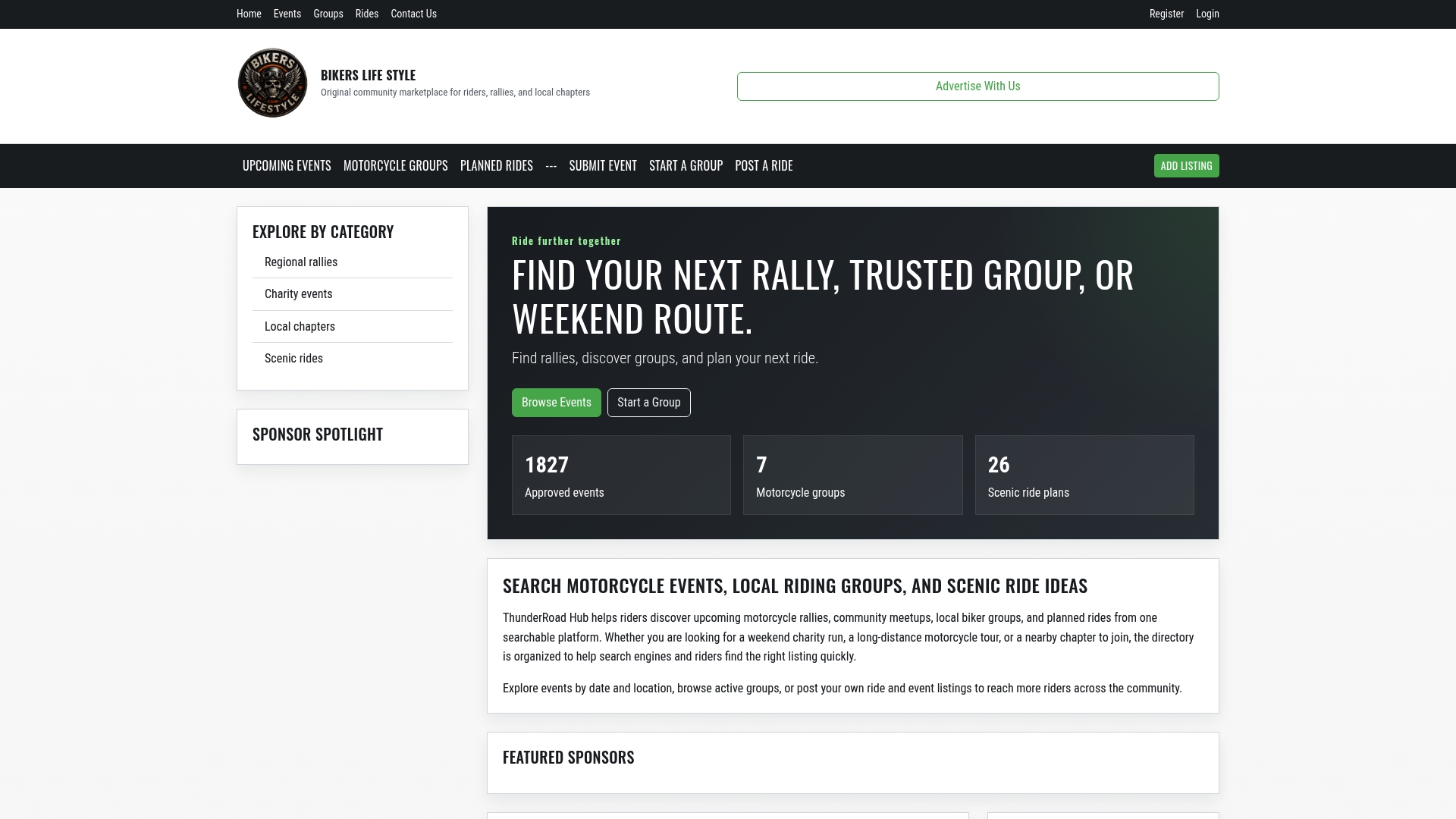
The values described in this article come alive through real participation: group rides, organized rallies, charity events, and the day-to-day connections that keep biker culture strong. Bikerslifestyle connects riders with exactly those opportunities. Whether you are looking for local riding groups, upcoming rallies, or scenic routes that bring out the best of what riding offers, the platform makes it straightforward to find and join the community around you. Charity rides like Ride 4 Their Lives show the culture's values in action, combining road camaraderie with genuine community impact. If you are ready to move from curiosity to participation, Bikerslifestyle is where that next step starts.
FAQ
What does the biker lifestyle actually mean?
The biker lifestyle is a way of living built around respect, responsibility, and community on and off the motorcycle. It is defined by a shared code of conduct, not by appearance or attitude.
What are the core values of biker culture?
Biker culture values include loyalty, integrity, mutual respect, and family. These principles are codified in the Biker's Honour Code and upheld across both formal clubs and informal riding groups.
Do you have to join a motorcycle club to live the biker lifestyle?
No. Club membership is one expression of the lifestyle, but solo riders, casual group riders, and independent builders all participate in biker culture through shared values and road conduct.
How is respect defined in the biker community?
Respect in biker culture means riding predictably, knowing your limits, and not forcing others to compensate for your errors. It is earned through consistent, responsible behavior over time, not through speed or image.
How do I start living the biker lifestyle?
Start by riding responsibly, investing in proper safety gear, learning basic motorcycle maintenance, and connecting with local riding groups or events. Conduct and consistency matter far more than gear or club affiliation in the early stages.