
TL;DR:
- Memorial rides are motorcycle events that honor fallen bikers, veterans, and community members through collective remembrance. These events embody biker culture's core values of loyalty, respect, and solidarity, transforming grief into communal healing via structured rituals. They also serve practical purposes, such as fundraising, advocacy, and raising safety awareness within and beyond the motorcycle community.
Memorial rides are organized motorcycle events where riders gather to honor fallen bikers, veterans, and community members, transforming individual grief into collective remembrance. The practice of why bikers attend memorial rides goes far deeper than ceremony. These events carry the full weight of biker culture: loyalty to those who rode before, solidarity with families left behind, and a belief that the road itself is the most honest place to say goodbye. From the Bobby D Memorial Ride to the nationally recognized Rolling to Remember, these gatherings draw millions of riders who understand that showing up on two wheels is the most powerful tribute a biker can offer.
Why bikers attend memorial rides: the emotional and cultural core
Riders treat fellow bikers as family. That is not a metaphor. It is the operating principle behind every memorial ride, and it explains why attendance at these events is not optional for many in the community. When a rider dies, the response is not a card or a phone call. It is a procession of motorcycles, sometimes hundreds strong, rolling together as a single act of love and respect.
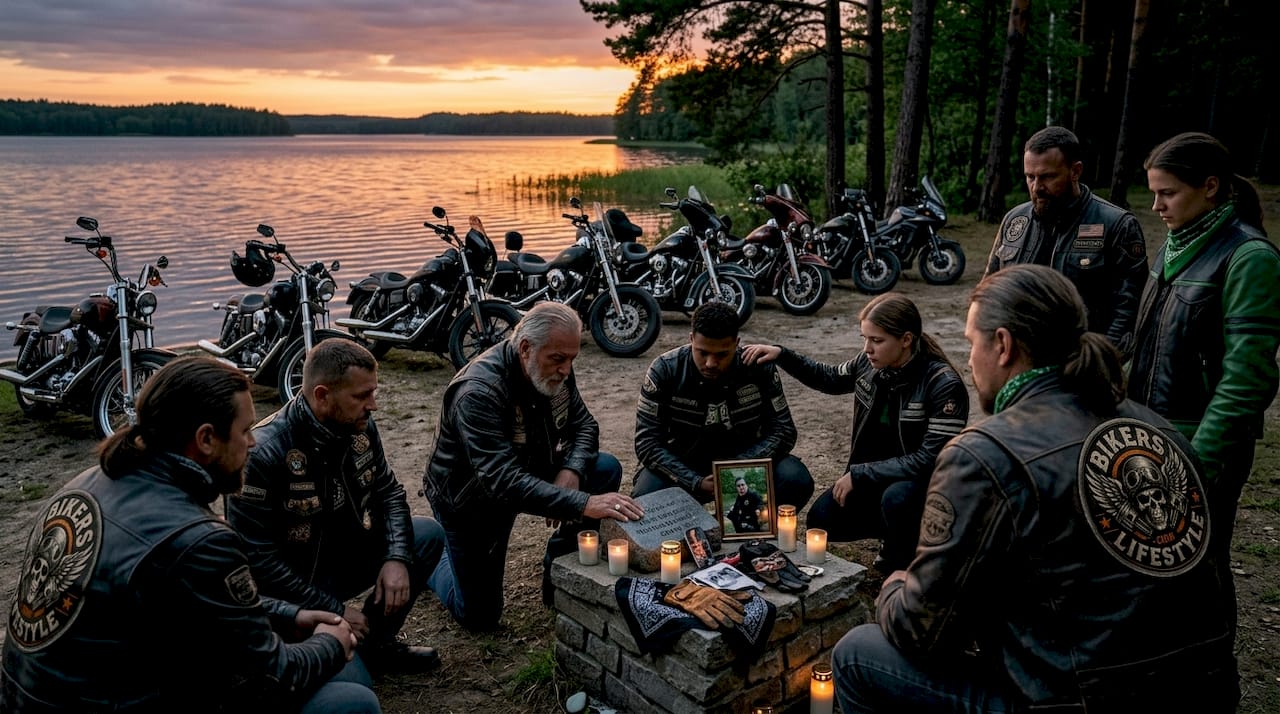
Participants describe memorial rides as a "cascade of emotions" and a necessary ritual for communal grieving within biker families. That phrase captures something most outsiders miss: these events are not performances of sadness. They are structured, purposeful rituals that move grief from the private interior to the shared road. The act of riding together converts individual sorrow into something communal and, ultimately, healing.
Biker culture is built on values that most institutions do not teach: freedom, loyalty, and the willingness to show up when things get hard. Memorial rides are where those values become visible. Organizers consistently note that these events physically embody gratitude and honor in ways that no policy or political speech can replicate. That distinction matters. For riders, the road is sacred ground, and riding it in someone's name is the highest honor they can offer.
Memorial rides also create what grief counselors call a "container" for loss. The structure of the ride, the route, the formation, the moment of silence, gives mourners a framework when raw emotion has no shape. Riders who might struggle to articulate their grief in a funeral home find that the throttle, the wind, and the company of their community says everything that words cannot.
- Riders see fellow bikers as extended family, making attendance a cultural obligation, not just a personal choice.
- The shared experience of riding converts private grief into communal healing.
- Biker values like loyalty and freedom are expressed most fully through physical presence on the road.
- Carrying tangible symbols of the fallen, including photos and biographies, keeps the deceased's memory alive within the group.
Pro Tip: If you are attending your first memorial ride, arrive early and introduce yourself to the organizers. Understanding the specific route, formation rules, and any tribute moments planned will help you participate with full respect and awareness.
How do memorial rides serve practical community and advocacy purposes?
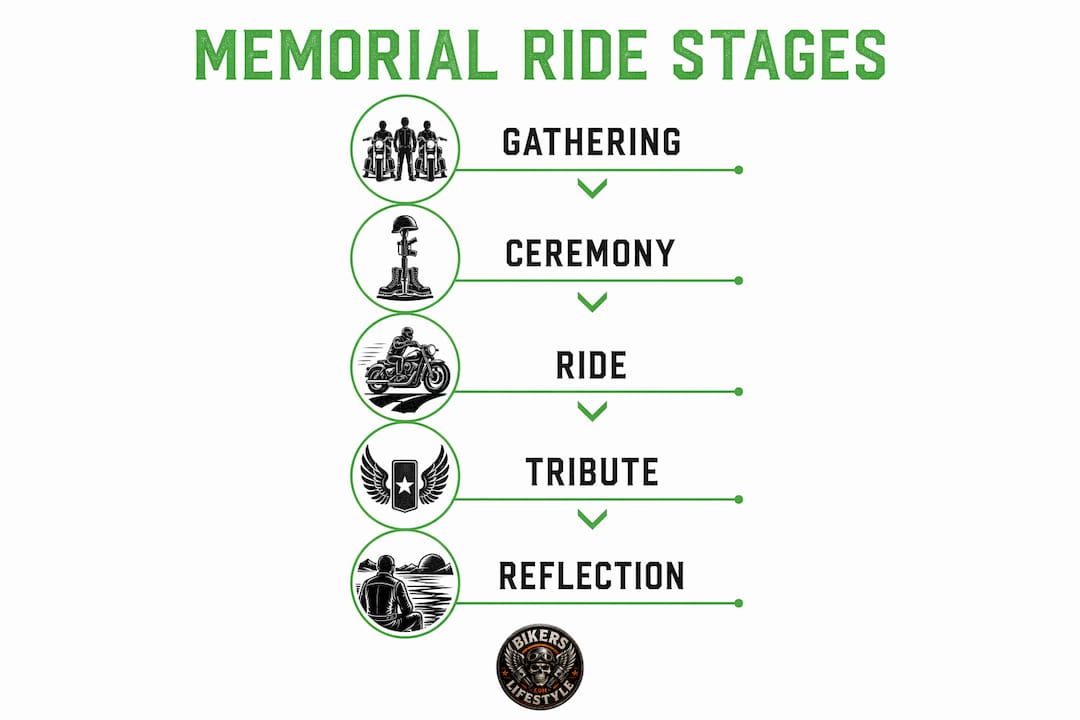
Beyond tribute, memorial rides function as fundraising vehicles, safety platforms, and advocacy tools. The practical impact of these events is substantial and often underappreciated by those outside the community.
The American Legion Riders' events raise funds through freewill donations supporting veterans' bills, scholarships, and military organizations. That model is replicated across hundreds of local and regional rides every year. Families of fallen riders receive direct financial support. Scholarship funds carry the names of deceased riders into future generations. Veterans' organizations receive resources that government programs often fail to provide adequately.
The advocacy dimension is equally significant. Consider how these rides operate as organized campaigns:
- Safety awareness. The Ride of Silence is specifically designed to memorialize riders killed or injured and to educate motorists on road-sharing responsibilities. Short, visible routes maximize public exposure and reinforce the message that cyclists and motorcyclists share the road.
- Distracted driving prevention. Many memorial rides incorporate roadside stops at accident sites, creating visible reminders for passing motorists about the consequences of inattention behind the wheel.
- Veteran support. Rides organized by groups like the American Legion Riders and Patriot Guard Riders direct proceeds toward veteran healthcare, housing assistance, and family support programs.
- Community visibility. When hundreds of motorcycles roll through a town, the community takes notice. That visibility translates into political attention, media coverage, and public sympathy for rider safety legislation.
The community connection in memorial rides surpasses what institutional supports often provide, because riders personally knew the deceased. That personal knowledge makes the advocacy authentic. These are not strangers raising money for a cause. They are friends and riding partners demanding that the world pay attention to the lives lost on roads that should be safer.
Pro Tip: Riders who want to maximize the advocacy impact of a memorial ride should contact local media outlets before the event. A brief press release with the ride's purpose, route, and beneficiary organizations can generate coverage that extends the message far beyond the riders present.
What traditions and etiquette define memorial rides?
Memorial rides follow a distinct code of conduct that separates them from rallies, parades, or casual group rides. Understanding this etiquette is not optional for participants. It is the foundation of respect that makes these events meaningful.
The most recognized tradition is the "Last Ride," where the deceased's motorcycle is either ridden by a trusted friend or transported in the procession as a riderless tribute. This practice mirrors the military tradition of the riderless horse and carries the same weight of finality and honor. Some families request that the bike remain stationary at the memorial point, its engine silent, as a symbol of the rider's absence.
| Tradition | Purpose | Who observes it |
|---|---|---|
| Last Ride (riderless motorcycle) | Symbolizes the fallen rider's presence and absence simultaneously | Close friends, family, ride organizers |
| Wearing specific colors or patches | Honors the deceased's club affiliation or personal identity | All participants, per family's wishes |
| Engine roar at tribute moment | Expresses unity and collective honor, not celebration | All riders on signal from lead organizer |
| Sobriety during the ride | Demonstrates respect and ensures safety | All participants without exception |
| Carrying photos and biographies | Maintains the living memory of the fallen | Designated riders or support vehicles |
Etiquette at memorial rides includes abstaining from alcohol until the ride ends and honoring the deceased's specific clothing or colors. This rule is non-negotiable in serious riding communities. Alcohol before or during a memorial ride is considered a profound disrespect, both to the deceased and to the safety of every rider in the formation.
The engine roar deserves specific attention. Organizers clarify that memorial rides are honor rides focused on remembrance and unity, and the engine roars symbolize powerful solidarity, not spectacle. To an outsider, the sound of thousands of engines revving simultaneously might seem like noise. To a rider who understands the context, it is the loudest possible expression of "we remember you."
Pro Tip: Before attending a memorial ride, ask the organizers whether the family has specific requests about colors, patches, or tribute moments. Honoring those wishes precisely is the mark of a rider who genuinely understands the culture.
How have memorial rides evolved and what is their impact today?
Memorial rides have grown from small local gatherings into nationally recognized events that draw millions of participants and generate measurable social impact. That growth reflects both the expanding motorcycle community and a deepening cultural recognition of what these events accomplish.
Rolling to Remember, the most prominent national memorial ride, attracts over 2 million riders annually and has seen a 14% increase in attendance year-over-year as of 2026. Those numbers place it among the largest recurring public gatherings in the United States. The scale matters because it demonstrates that memorial ride significance extends well beyond the motorcycle community. Politicians, veterans' advocates, and media organizations now treat Rolling to Remember as a major civic event.
The scope of who these rides honor has also expanded significantly:
- Fallen veterans. Events like Rolling to Remember and the American Legion Riders' rides specifically honor military personnel killed in service, connecting motorcycle culture to the broader tradition of military tribute.
- Peace officers. The Peace Officer Memorial Day Ride honors law enforcement officers killed in the line of duty, extending the memorial ride tradition to another community defined by service and sacrifice.
- Civilian riders. Local rides like the Hoffman Memorial Ride honor individual community members, demonstrating that the tradition scales from national events to deeply personal tributes.
- Advocacy integration. Rides increasingly incorporate safety advocacy, connecting tribute to the motorcycle awareness movement and pushing for legislative change on distracted driving and road design.
The integration of memorial rides into the broader motorcycle lifestyle reflects a maturation of biker culture. These events are no longer peripheral. They are central to how the community defines itself, maintains its values, and communicates its identity to the wider world. Local families find memorial rides deeply personal and more supportive than institutional services, precisely because the riders present are not performing a social obligation. They are fulfilling a genuine bond.
Key takeaways
Bikers attend memorial rides because these events are the most direct, culturally authentic expression of loyalty, grief, and community solidarity available within motorcycle culture.
| Point | Details |
|---|---|
| Emotional and cultural core | Memorial rides convert private grief into communal healing through shared ritual on the road. |
| Practical community impact | Rides raise funds for veterans, scholarships, and families while advancing rider safety advocacy. |
| Strict etiquette and tradition | Sobriety, specific colors, and the Last Ride tradition define the respect structure of every event. |
| Growing national scale | Rolling to Remember draws over 2 million riders annually, with 14% year-over-year attendance growth as of 2026. |
| Expanding scope of tribute | Modern memorial rides honor veterans, peace officers, and civilians, broadening the community's reach. |
What I've learned from watching memorial rides up close
I have stood at the edge of more memorial rides than I can count, and the thing that never stops striking me is the silence before the engines start. There is a moment, usually right after the last name is read aloud, where hundreds of riders sit completely still on their bikes. No revving. No movement. Just presence. That moment tells you everything about why these rides matter and why no institutional substitute will ever replace them.
The conventional wisdom about biker culture tends to focus on freedom and rebellion. Those elements are real, but they are incomplete. What memorial rides reveal is that biker culture is equally defined by obligation. The obligation to show up. The obligation to remember. The obligation to make sure that a person's final journey on the road is witnessed by people who genuinely loved them.
I have also noticed something that rarely gets discussed: memorial rides are one of the few spaces in American public life where men are given full permission to grieve openly. The structure of the ride, the formation, the shared purpose, creates a context where emotion is not weakness. It is the whole point. That is not a small thing in a culture that often struggles to create those spaces.
The rides I find most moving are the small ones. Not Rolling to Remember with its two million riders, but the road camaraderie of a dozen riders escorting a veteran home through a Montana town where everyone lines the street. Those rides remind me that the scale of the tribute is irrelevant. What matters is that someone showed up.
Memorial rides will remain vital to biker culture for exactly that reason. They are not events. They are promises kept.
— Trevor
Find your next memorial ride with Bikerslifestyle
Bikerslifestyle connects riders to memorial rides, tribute events, and community gatherings across the country. Whether you want to honor a fallen rider, support a veteran's family, or simply ride alongside people who share your values, the platform makes it straightforward to find events that matter. Browse the full motorcycle events calendar to locate memorial rides, blessing ceremonies, and advocacy rides near you. For riders specifically looking to support charitable and veteran-focused causes, the Ride 4 Their Lives page highlights rides where your presence directly benefits families and organizations in need. Showing up is the most powerful thing a rider can do. Bikerslifestyle helps you find where to go.
FAQ
What is the main reason bikers attend memorial rides?
Bikers attend memorial rides to honor fallen riders and express communal solidarity, turning personal loss into a shared act of remembrance. The rides fulfill a cultural obligation rooted in biker values of loyalty, respect, and showing up for family.
Are memorial rides the same as parades?
Memorial rides are distinguished from parades by their solemn intent and symbolism. Engine roars at these events express unity and remembrance rather than celebration, and the entire structure is built around tribute rather than spectacle.
What etiquette should first-time attendees follow?
First-time participants should abstain from alcohol for the duration of the ride, wear colors or patches that honor the deceased's wishes, and follow the formation and tribute instructions from organizers. Arriving early and asking questions shows respect.
How do memorial rides support families and communities?
Rides like the American Legion Riders' events raise funds through freewill donations that support veterans' bills, scholarships, and military organizations. Many local rides also provide direct financial support to the families of fallen riders.
How large have memorial rides grown?
Rolling to Remember attracts over 2 million riders annually and recorded a 14% increase in attendance year-over-year as of 2026, making it one of the largest recurring public gatherings in the United States.